Bread & Allergies
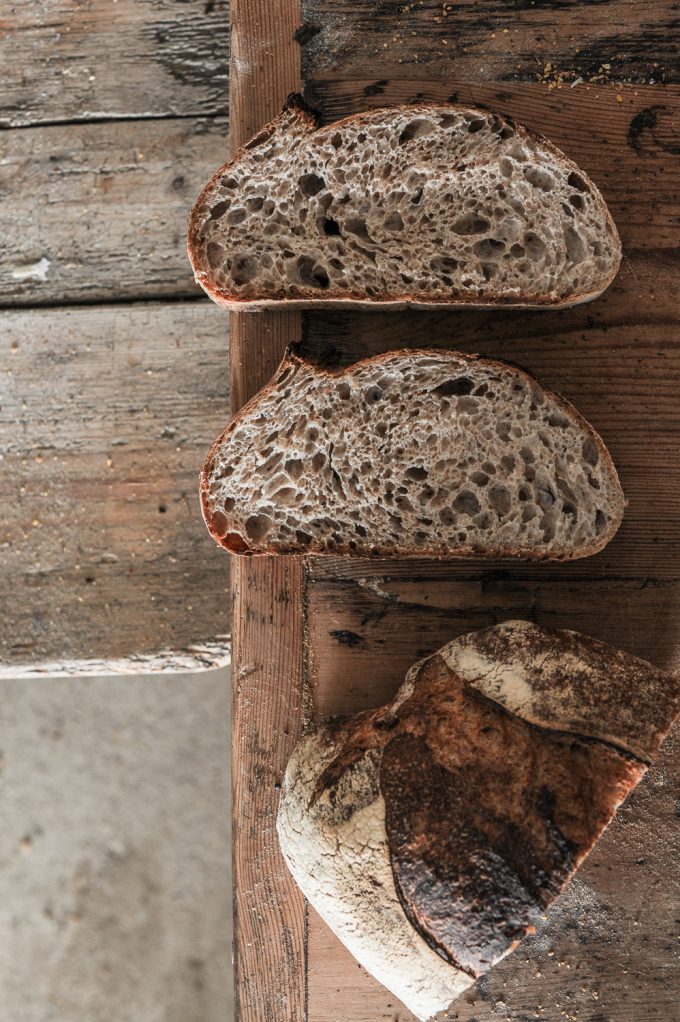
Understanding how bread interacts with individual sensitivities requires more than following general guidelines, it calls for science applied in practice. The Diploma in Nutrition and Bread introduces learners to the ways fermentation, ingredient choices, and preparation techniques can influence digestive comfort, immune responses, and tolerance, giving students tools to put research into action.
These studies collectively highlight how fermentation, ingredient choices, and gut microbiome interactions can influence immune responses and digestive comfort, providing an evidence-based foundation for understanding sensitivities and tailoring bread to individual needs.
Dr Vanessa Kimbell, whose doctoral research established the foundations of Baking as Lifestyle Medicine, guides learners through the connections between fermentation science, nutrigenetics, and lifestyle factors. Her work shows how small changes: adjusting fermentation time, choosing specific grains, or incorporating botanicals, can make bread more supportive for digestive health.
Food allergies affect around 6% of adults in the UK, according to the Food Standards Agency, highlighting the importance of recognising potential triggers when choosing or preparing bread. For further guidance on digestive sensitivities, food triggers and allergies see the NHS guidance.
For those curious about their own allergies or sensitivities, the Bread & Health Assessment offers a personalised, evidence-based approach. Combining hands-on testing with genetic insights, it helps identify potential triggers and guide more tailored bread choices. Many people live with mild or unnoticed symptoms, and this process can help uncover sensitivities they may not have previously recognised, turning research into practical, everyday decisions.