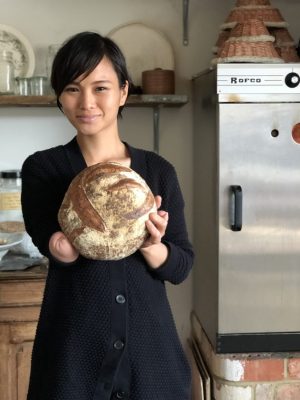
- Personalized Learning: We believe that each student comes with unique learning styles, experiences, and backgrounds. Therefore, our teaching approach is tailored to fit the individual learner’s needs. This personalization might involve adapting teaching methods, using different educational technologies, and providing mentorship. Vanessa makes herself available to students every week during term time on Thursdays at 4 pm to chat through any areas students need help with and in private appointments if this is something more personal.
- Interdisciplinary Approach: The BALM curriculum is grounded in various disciplines, including nutrition, nutritional psychiatry, the culinary arts with symbiotic eating, microbiology, mental health, and of course, lifestyle medicine. This interdisciplinary approach encourages students to connect and apply knowledge across different fields, fostering a holistic understanding of BALM.
- Interactive and Practical Learning: We place high importance on experiential learning. Our students learn by doing—baking bread, exploring various ingredients, understanding their nutritional benefits, and experiencing the impact of these ingredients on their health. This hands-on approach both in person and here at The School, helps students grasp complex concepts more effectively and retain information longer.
- Reflective Learning: We encourage students to reflect on their learning journey continuously. We have a student record form, we encourage group discussions, and we ask students to participate in live sessions if they are comfortable. We also ask the students at halfway through the year to give feedback and reflect on their learning. This allows students to understand their progress, recognize gaps in their knowledge, and determine future learning paths.
- Cultural Awareness: Recognizing the role of culture in food and health practices, we integrate cross-cultural learning into our pedagogy. We are respectful and fair in the way we approach studying bread-baking traditions from around the world, understanding culturally specific dietary practices, and exploring the impact of these practices on health and wellness.
- Collaborative Learning: We believe in the power of community and collaboration. Students are encouraged to learn from each other, share experiences, and collaborate. At The School, we often ask students to work as a small team or in pairs. This collaborative learning environment fosters a sense of community and allows students to develop social, communication, and teamwork skills.
- Sustainable and Ethical Practices: Teaching BALM also involves instilling values of sustainability and an ethical approach to baking as lifestyle medicine. Students learn about sustainable farming, ethical sourcing of ingredients, and the impact of these practices on the environment and health.
This pedagogical model is not static – we call our syllabus a living syllabus, as it is flexible and evolves based on feedback from students, emerging research in the field, and changes in societal and cultural contexts. The goal is to provide an inclusive, engaging, and effective learning environment that empowers students to understand and apply the principles of BALM in their own lives and communities.