• Skip to main content
  • Skip to after header navigation
  • Skip to site footer

The Sourdough School

DIVERSITY BREAD® || PERSONALISED BREAD || BAKING AS LIFESTYLE MEDICINE

Bake With The Hands Of An Artisan And The Mind Of A Clinician

Set within the walled gardens of Dr Vanessa Kimbell’s beautiful Victorian home in rural Northamptonshire, The Sourdough School is home to the Proven Bread Programme, teaching the art and science of nutrition, the gut microbiome and fermentation in bread. We train bakers to produce Diversity Bread® and healthcare professionals to personalise bread through Baking as Lifestyle Medicine. Arrange a conversation today.

WhatsApp: +44(0)7813308301
[email protected]
Follow on Instagram

Book A Consultation
  • Facebook
  • Instagram
  • Pinterest
  • X
Student Login
  • Workshops
    • Book a Call
    • 2 Day Workshops
    • 3 days Personalised Bread Workshops
    • Tuscan Retreat
    • 12 Week Post Course Support
    • Request a Callback
  • About
    • About The Sourdough School
    • Priority Access: Join the Waiting List
    • Contact Us & FAQ
    • Reviews
    • General FAQ’s about The School
    • Diversity Bread™
    • Where to stay & more
    • Training Bakers & Healthcare Professionals
    • Educational Awards Programme
    • The Team
    • A Social Enterprise
    • Contributors & Guest Tutors
    • What Our Students Say
  • Learn
    • The Diploma – January 2027
    • Request a callback
    • Graduation Recipe Collection
  • What is Proven?
    • Baking as Lifestyle Medicine (BALM)
    • Bread as Preventative Health
    • BALM & Bread in The Blue Zone
    • Proven Bread Documentary
    • Prove it – The Case Studies
    • Proven: Bread Podcast
    • Proven
    • Login
  • Personalised Bread
    • Personalising Bread Using Nutrigenetics
    • Personalisation
    • Personalising Bread
  • Workshops
    • Book a Call
    • 2 Day Workshops
    • 3 days Personalised Bread Workshops
    • Tuscan Retreat
    • 12 Week Post Course Support
    • Request a Callback
  • About
    • About The Sourdough School
    • Priority Access: Join the Waiting List
    • Contact Us & FAQ
    • Reviews
    • General FAQ’s about The School
    • Diversity Bread™
    • Where to stay & more
    • Training Bakers & Healthcare Professionals
    • Educational Awards Programme
    • The Team
    • A Social Enterprise
    • Contributors & Guest Tutors
    • What Our Students Say
  • Learn
    • The Diploma – January 2027
    • Request a callback
    • Graduation Recipe Collection
  • What is Proven?
    • Baking as Lifestyle Medicine (BALM)
    • Bread as Preventative Health
    • BALM & Bread in The Blue Zone
    • Proven Bread Documentary
    • Prove it – The Case Studies
    • Proven: Bread Podcast
    • Proven
    • Login
  • Personalised Bread
    • Personalising Bread Using Nutrigenetics
    • Personalisation
    • Personalising Bread

Baking as Lifestyle Medicine Research Library

[iframe url="https://player.vimeo.com/video/746508423?h=83ab743c2f" width="640" height="360"]

Baking as Lifestyle Medicine Research Library

Comprising seven principles and reflecting over 20 years of research. The Baking as Lifestyle Medicine Protocol ( BALM Protocol ) is an evidence-based approach.  The foundation of BALM is in The Six Pillars of Lifestyle Medicine. The framework guides everything we do at The Sourdough School and The Sourdough Club.


This library embodies a comprehensive and holistic approach to the study of baking, eating, and sharing bread, encompassing a diverse range of interconnected topics. Reflecting the complexity of this approach, the research covers various areas such as breadmaking, nutrition, fermentation, lifestyle medicine, sleep science, stress management, physical activity, non-communicable diseases, and the gut microbiome, with a strong focus on the mechanisms of fermentation.

By integrating these diverse fields of study, the library offers a multifaceted perspective on the many aspects that contribute to our relationship with bread and its impact on our well-being. This holistic approach acknowledges the complexity of the subject matter and encourages a deeper understanding of the interconnected factors that influence our health and overall quality of life through the lens of breadmaking and consumption.

Students can use the catalogue to search but must be logged in to do so.

How do we use the studies?

Every recipe, every lesson, and every ingredient in The School and the Club is meticulously researched, and we link back to the research in this library.

Creating and maintaining our research library has taken hundreds of hours and significant resources. From the beginning, Vanessa has written plain English "translations" of each study to make the information more accessible and understandable for a wider audience. Although academic studies are linked to each review, several obstacles inspired us to share this knowledge freely:

  1. Limited access to studies: In the past, many studies were only available to those affiliated with academic institutions. While this has improved over the years, we believe that knowledge should be accessible to everyone, regardless of their background or affiliation.
  2. Difficulty understanding academic language: Even when studies are publicly available, many people struggle to interpret the complex language used in academic research. By providing plain English summaries, we aim to bridge this gap and make research findings more comprehensible to a wider audience.
  3. Translating knowledge into practical applications: Understanding the results of a study doesn't always equate to knowing how to apply that knowledge to everyday life, such as incorporating it into one's diet. Our library helps readers of our books gain a deeper understanding of the research behind them and offers practical guidance on incorporating the findings into their lives.

Vanessa firmly believes that making knowledge accessible and available is a way to disrupt the influence of large food conglomerates that produce addictive ultra-processed foods. We view knowledge-sharing as a vital component of our social justice strategy, empowering people to make informed decisions about their diets and overall well-being.

By sharing our research library freely, we encourage everyone to bake, eat, and share knowledge, promoting a more equitable and health-conscious society.
photo

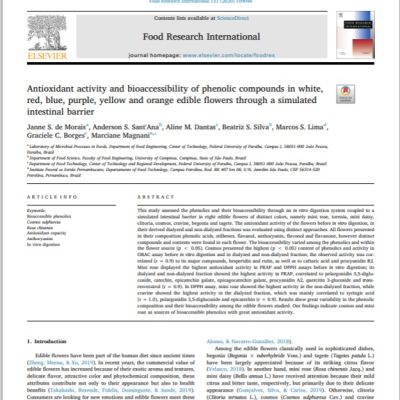
Antioxidant activity and bioaccessibility of phenolic compounds in white, red, blue, purple, yellow and orange edible flowers through a simulated intestinal barrier

photo

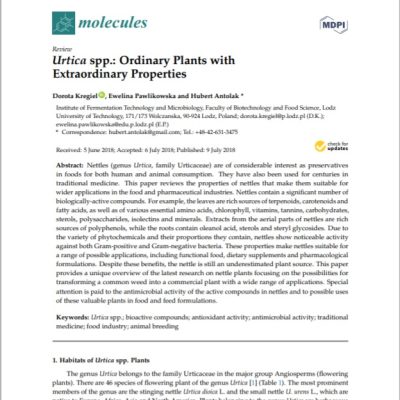
Urtica spp.: Ordinary Plants with Extraordinary Properties

photo

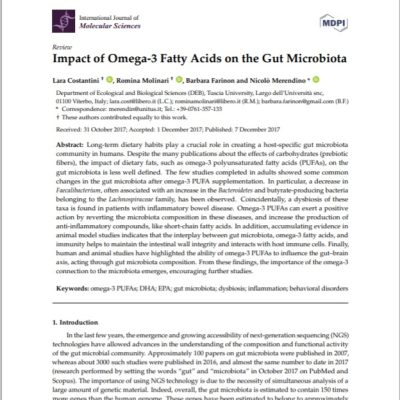
Impact of Omega-3 Fatty Acids on the Gut Microbiota

photo

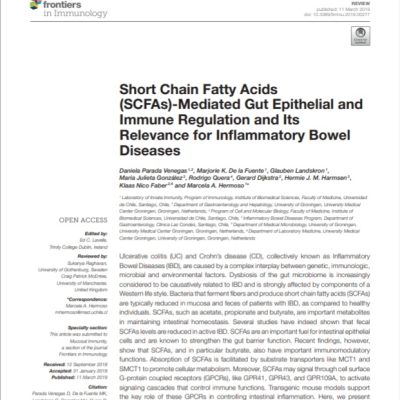
Short Chain Fatty Acids (SCFAs)-Mediated Gut Epithelial and Immune Regulation and Its Relevance for Inflammatory Bowel Diseases

photo

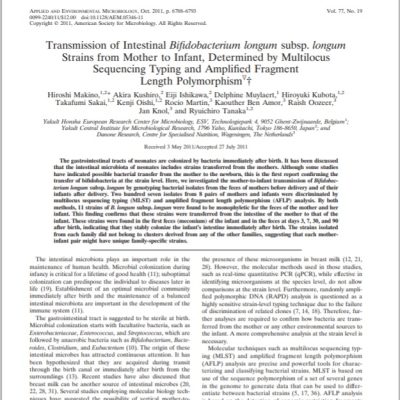
Transmission of Intestinal Bifidobacterium longum subsp. longum Strains from Mother to Infant, Determined by Multilocus Sequencing Typing and Amplified Fragment Length Polymorphism

photo

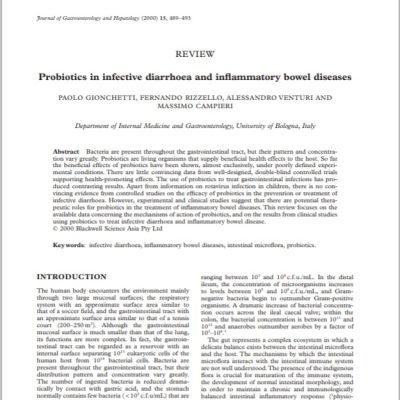
Probiotics in infective diarrhoea and inflammatory bowel diseases

photo

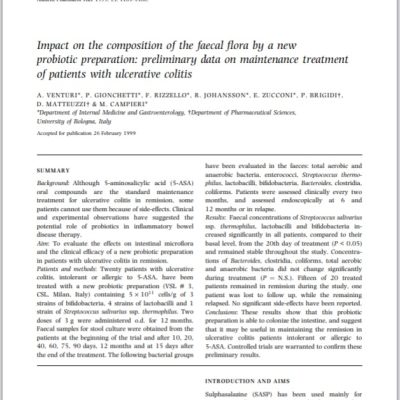
Impact on the composition of the faecal flora by a new probiotic preparation: preliminary data on maintenance treatment of patients with ulcerative colitis

photo

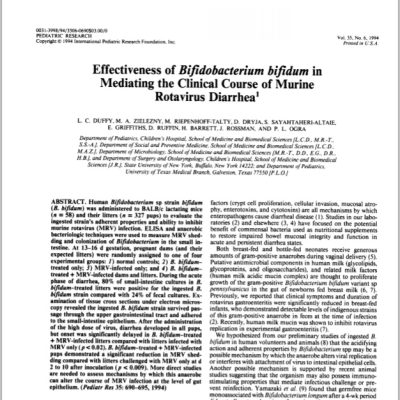
Effectiveness of Bifidobacterium bifidum in mediating the clinical course of murine rotavirus diarrhea

photo

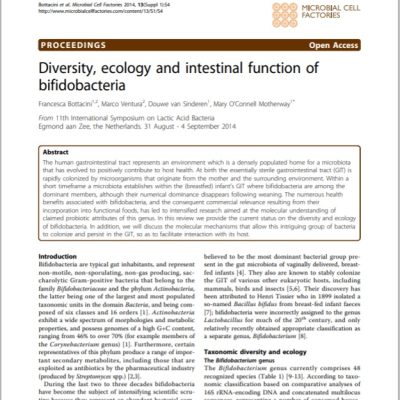
Diversity, ecology and intestinal function of bifidobacteria

photo

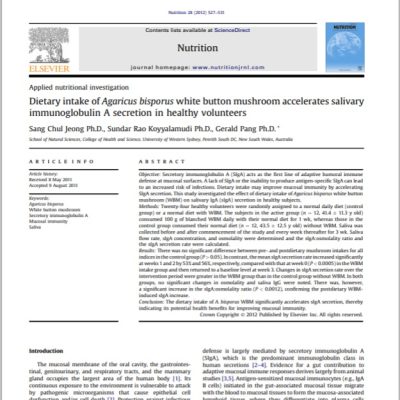
Dietary intake of Agaricus bisporus white button mushroom accelerates salivary immunoglobulin A secretion in healthy volunteers

photo

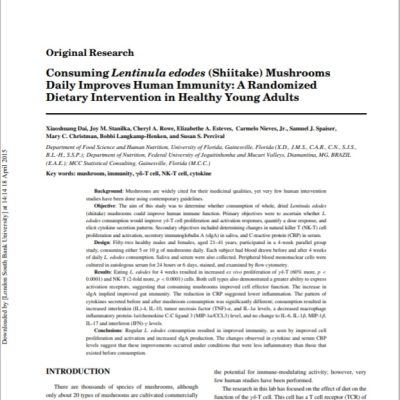
Consuming Lentinula edodes (Shiitake) Mushrooms Daily Improves Human Immunity: A Randomized Dietary Intervention in Healthy Young Adults

photo

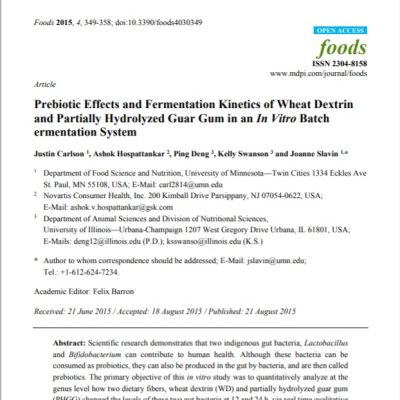
Prebiotic Effects and Fermentation Kinetics of Wheat Dextrin and Partially Hydrolyzed Guar Gum in an In Vitro Batch Fermentation System

photo

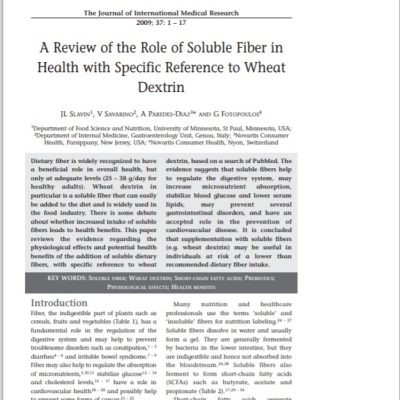
A review of the role of soluble fiber in health with specific reference to wheat dextrin

photo

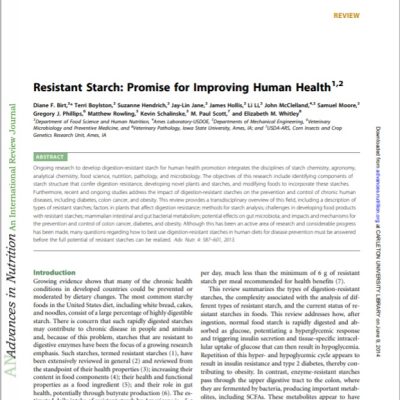
Resistant Starch: Promise for Improving Human Health

photo

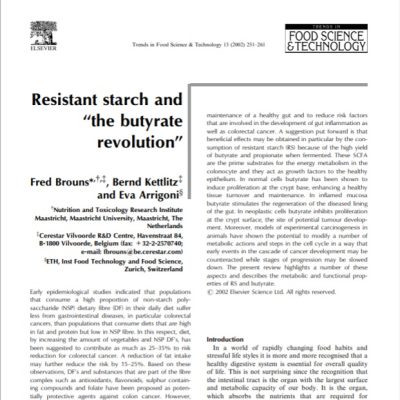
Resistant starch and “the butyrate revolution”

photo

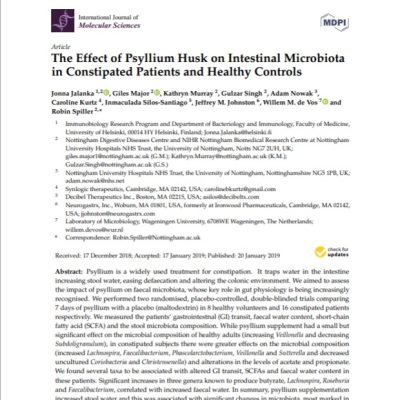
The Effect of Psyllium Husk on Intestinal Microbiota in Constipated Patients and Healthy Controls

photo

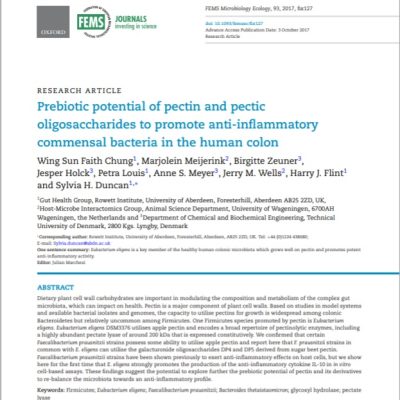
Prebiotic potential of pectin and pectic oligosaccharides to promote anti-inflammatory commensal bacteria in the human colon

photo

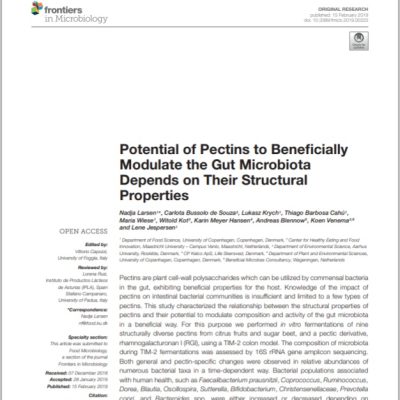
Potential of Pectins to Beneficially Modulate the Gut Microbiota Depends on Their Structural Properties

photo

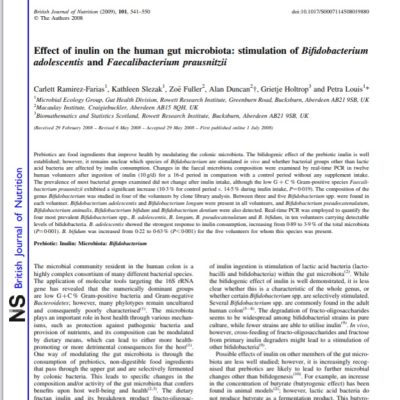
Effect of inulin on the human gut microbiota: stimulation of Bifidobacterium adolescentis and Faecalibacterium prausnitzii

photo

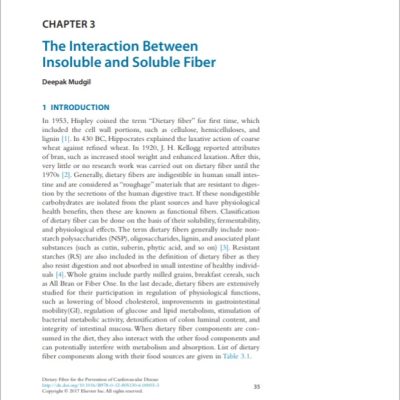
The Interaction Between Insoluble and Soluble Fiber

photo

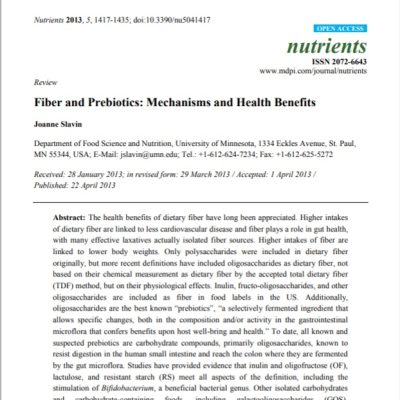
Fiber and prebiotics: mechanisms and health benefits

photo

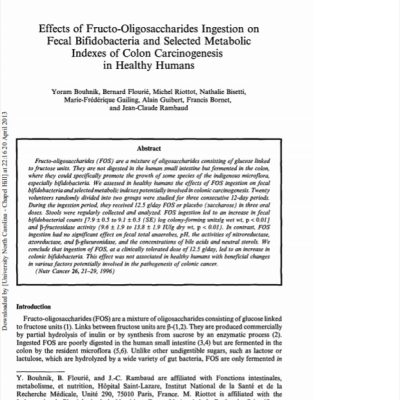
Effects of fructo-oligosaccharides ingestion on fecal bifidobacteria and selected metabolic indexes of colon carcinogenesis in healthy humans

photo

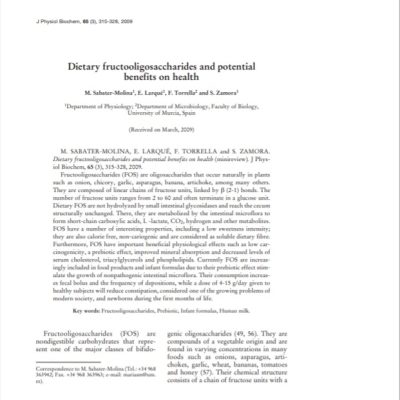
Dietary fructooligosaccharides and potential benefits on health

photo

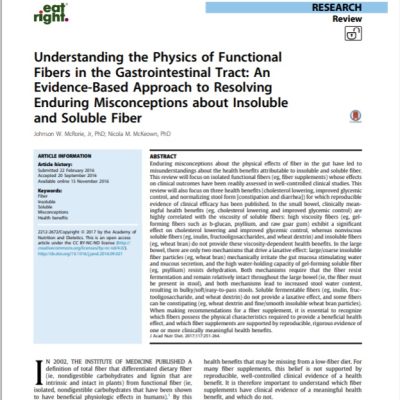
Understanding the Physics of Functional Fibers in the Gastrointestinal Tract: An Evidence-Based Approach to Resolving Enduring Misconceptions about Insoluble and Soluble Fiber

  • Previous
  • Page 1
  • Interim pages omitted …
  • Page 10
  • Page 11
  • Page 12
  • Page 13
  • Page 14
  • Interim pages omitted …
  • Page 26
  • Next
  • Facebook
  • Instagram
  • Pinterest
  • X

Terms and Conditions
Privacy Policy

Call +44 (0)7813308301
Email [email protected]

The Sourdough School is Registered in England & Wales: 08412236

BANT member
Lifecode Gx

Copyright © 2026 · The Sourdough School · All Rights Reserved · Website by Callia Web