• Skip to main content
  • Skip to after header navigation
  • Skip to site footer

The Sourdough School

DIVERSITY BREAD® || PERSONALISED BREAD || BAKING AS LIFESTYLE MEDICINE

Bake With The Hands Of An Artisan And The Mind Of A Clinician

Set within the walled gardens of Dr Vanessa Kimbell’s beautiful Victorian home in rural Northamptonshire, The Sourdough School is home to the Proven Bread Programme, teaching the art and science of nutrition, the gut microbiome and fermentation in bread. We train bakers to produce Diversity Bread® and healthcare professionals to personalise bread through Baking as Lifestyle Medicine. Arrange a conversation today.

WhatsApp: +44(0)7813308301
[email protected]
Follow on Instagram

Book A Consultation
  • Facebook
  • Instagram
  • Pinterest
  • X
Student Login
  • Workshops
    • Book a Call
    • 2 Day Workshops
    • 3 days Personalised Bread Workshops
    • Tuscan Retreat
    • 12 Week Post Course Support
    • Request a Callback
  • About
    • About The Sourdough School
    • Priority Access: Join the Waiting List
    • Contact Us & FAQ
    • Reviews
    • General FAQ’s about The School
    • Diversity Bread™
    • Where to stay & more
    • Training Bakers & Healthcare Professionals
    • Educational Awards Programme
    • The Team
    • A Social Enterprise
    • Contributors & Guest Tutors
    • What Our Students Say
  • Learn
    • The Diploma – January 2027
    • Request a callback
    • Graduation Recipe Collection
  • What is Proven?
    • Baking as Lifestyle Medicine (BALM)
    • Bread as Preventative Health
    • BALM & Bread in The Blue Zone
    • Proven Bread Documentary
    • Prove it – The Case Studies
    • Proven: Bread Podcast
    • Proven
    • Login
  • Personalised Bread
    • Personalising Bread Using Nutrigenetics
    • Personalisation
    • Personalising Bread
  • Workshops
    • Book a Call
    • 2 Day Workshops
    • 3 days Personalised Bread Workshops
    • Tuscan Retreat
    • 12 Week Post Course Support
    • Request a Callback
  • About
    • About The Sourdough School
    • Priority Access: Join the Waiting List
    • Contact Us & FAQ
    • Reviews
    • General FAQ’s about The School
    • Diversity Bread™
    • Where to stay & more
    • Training Bakers & Healthcare Professionals
    • Educational Awards Programme
    • The Team
    • A Social Enterprise
    • Contributors & Guest Tutors
    • What Our Students Say
  • Learn
    • The Diploma – January 2027
    • Request a callback
    • Graduation Recipe Collection
  • What is Proven?
    • Baking as Lifestyle Medicine (BALM)
    • Bread as Preventative Health
    • BALM & Bread in The Blue Zone
    • Proven Bread Documentary
    • Prove it – The Case Studies
    • Proven: Bread Podcast
    • Proven
    • Login
  • Personalised Bread
    • Personalising Bread Using Nutrigenetics
    • Personalisation
    • Personalising Bread
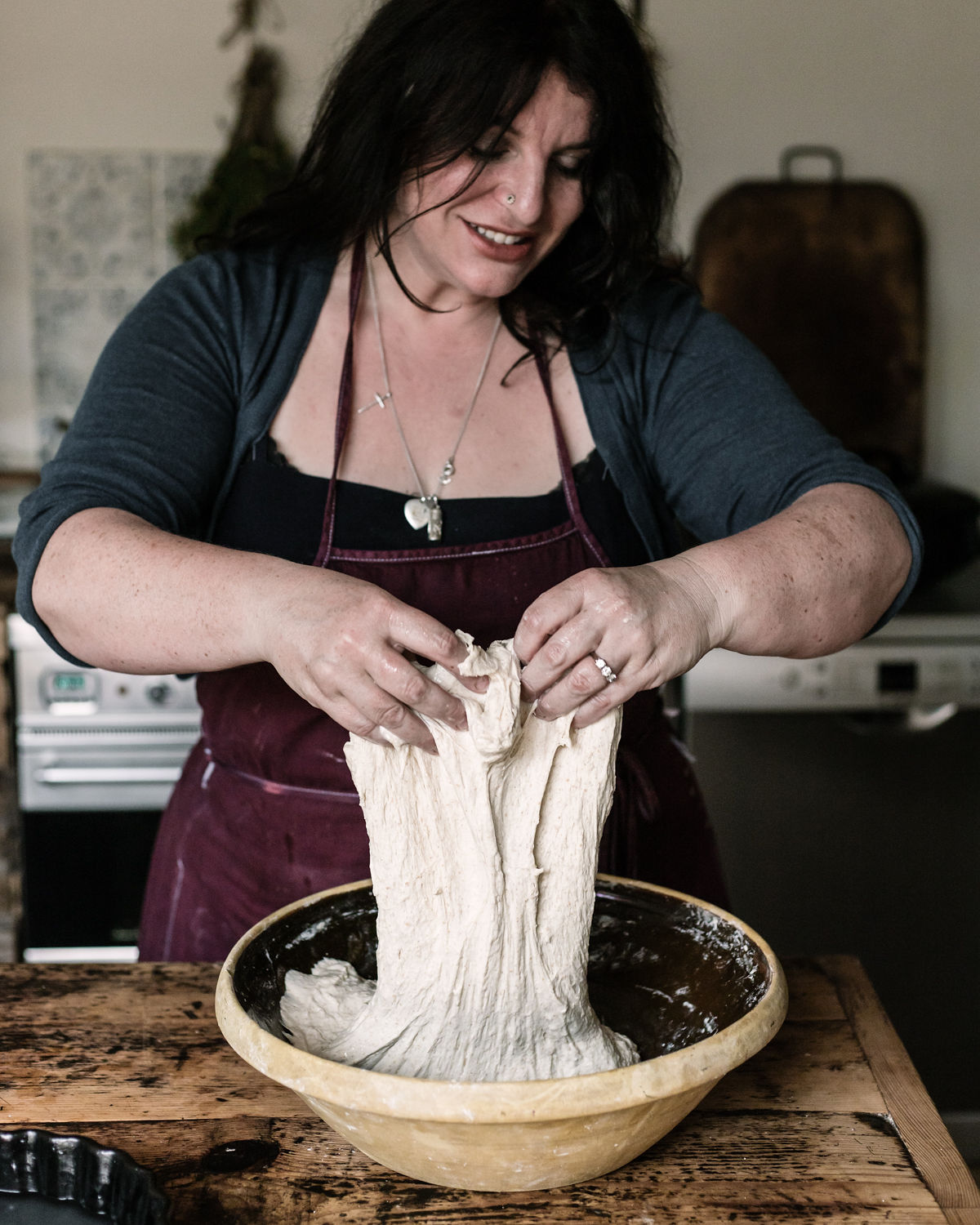
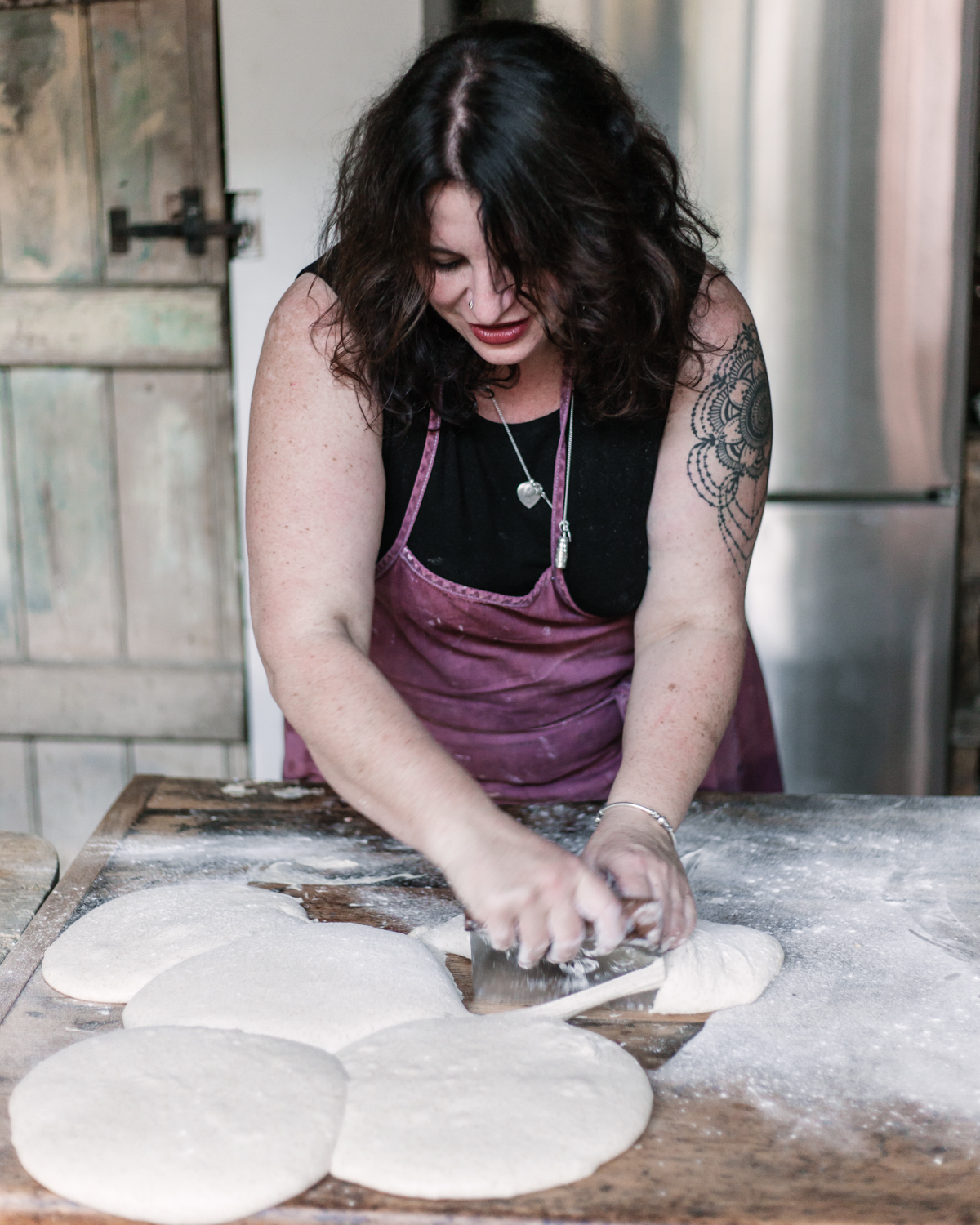
Dr Vanessa Kimbell Handling sourdough dough, highlighting the slow fermentation process and the gut-brain connection benefits of sourdough for mental well-being.
Diversity Bread® 2 Day Workshop - Image 2
Diversity Bread® 2 Day Workshop - Image 3
Diversity Bread® 2 Day Workshop - Image 4
Diversity Bread® 2 Day Workshop - Image 5
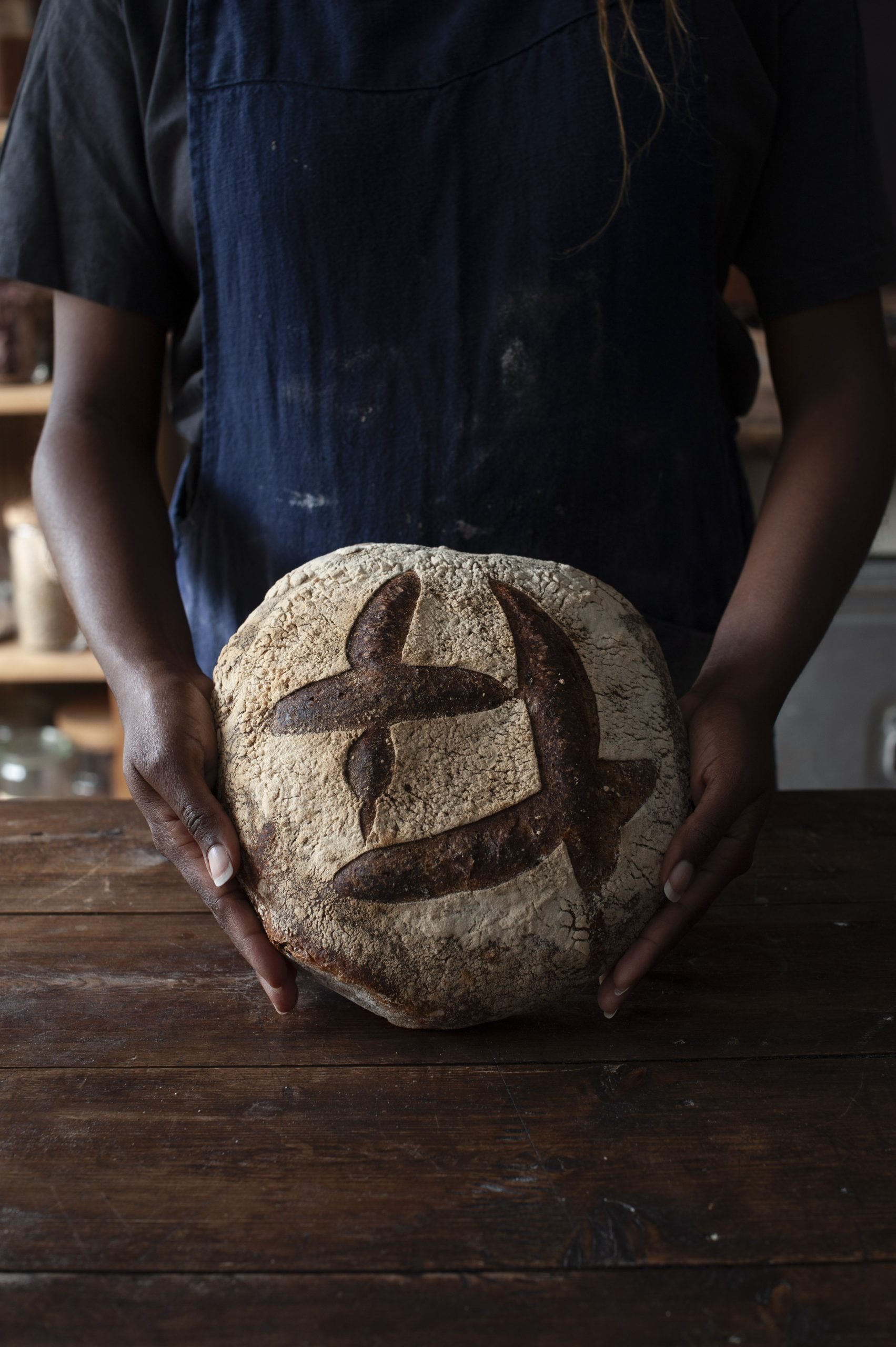
Sourdough bread on the table
SOURDOUGH SCHOOL -18
Diversity Bread® 2 Day Workshop - Image 8
19 04 SOURDOUGH SCHOOL (red)-41
SOURDOUGH SCHOOL MAY18-177
SOURDOUGH SCHOOL MAY18-001
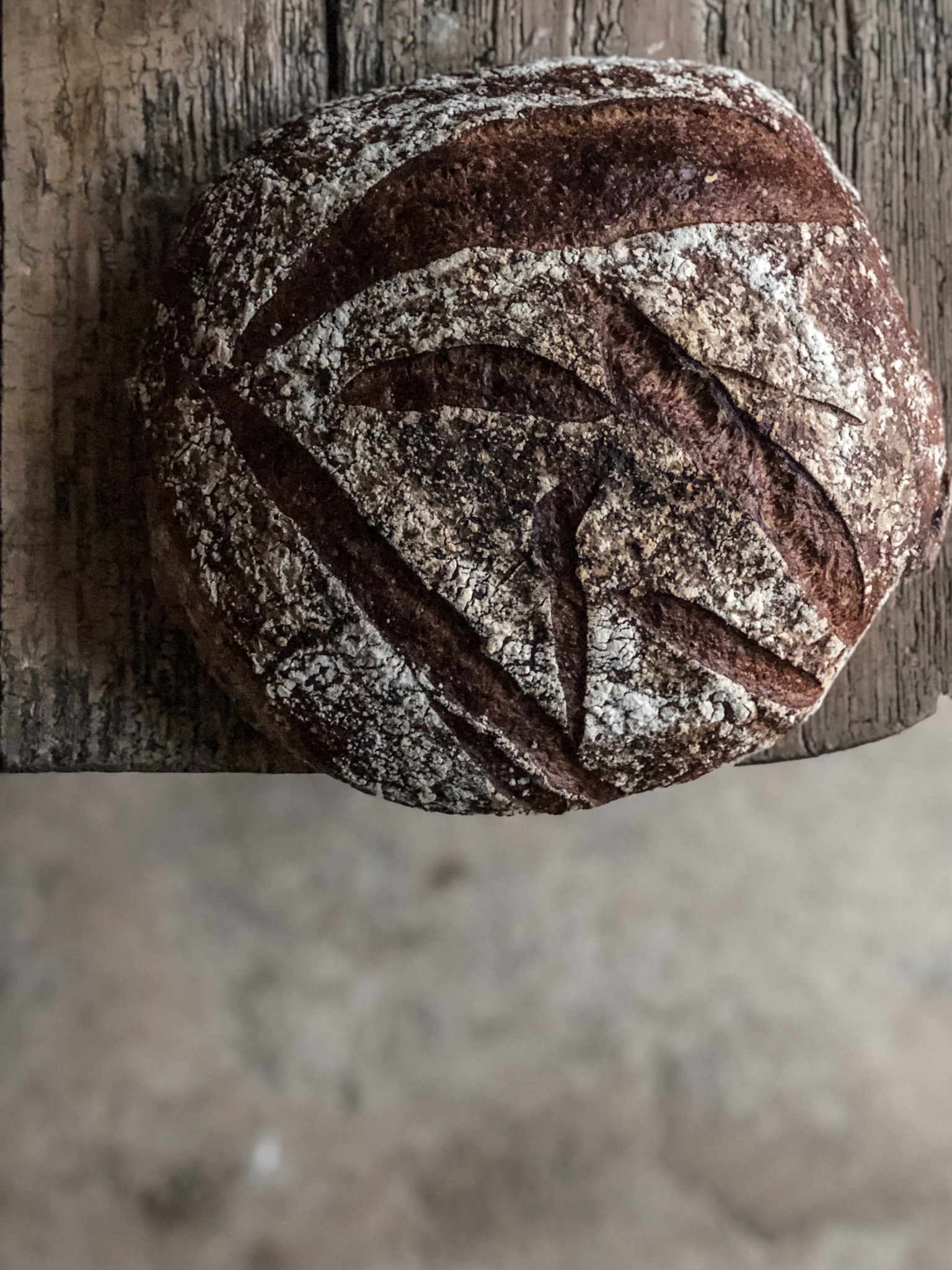
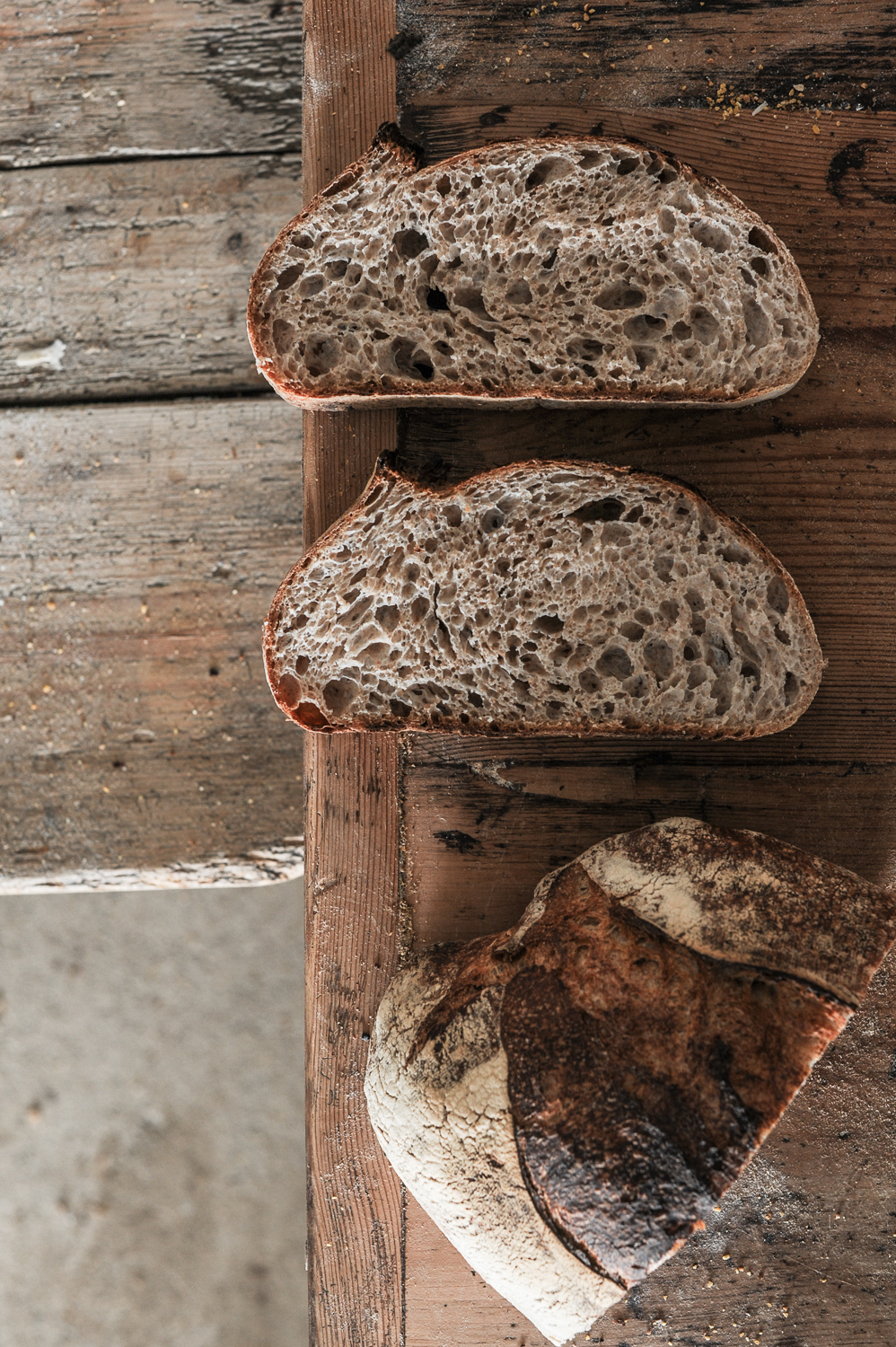
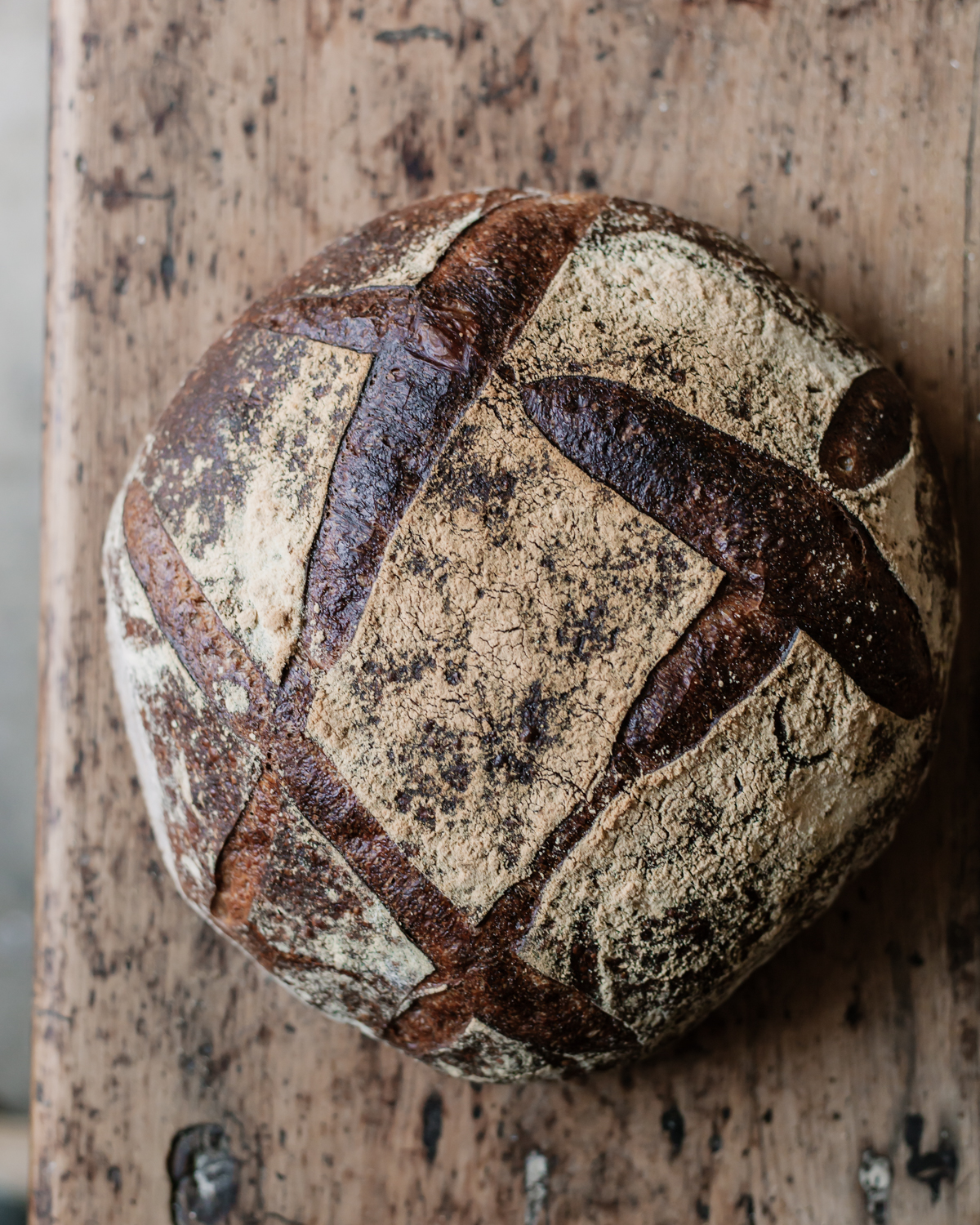
50% wholegrain sourdough. Whole-grain sourdough bread representing research-informed baking for digestive health and allergy awareness.
SOURDOUGH SCHOOL -131
Diversity Bread® 2 Day Workshop - Image 14
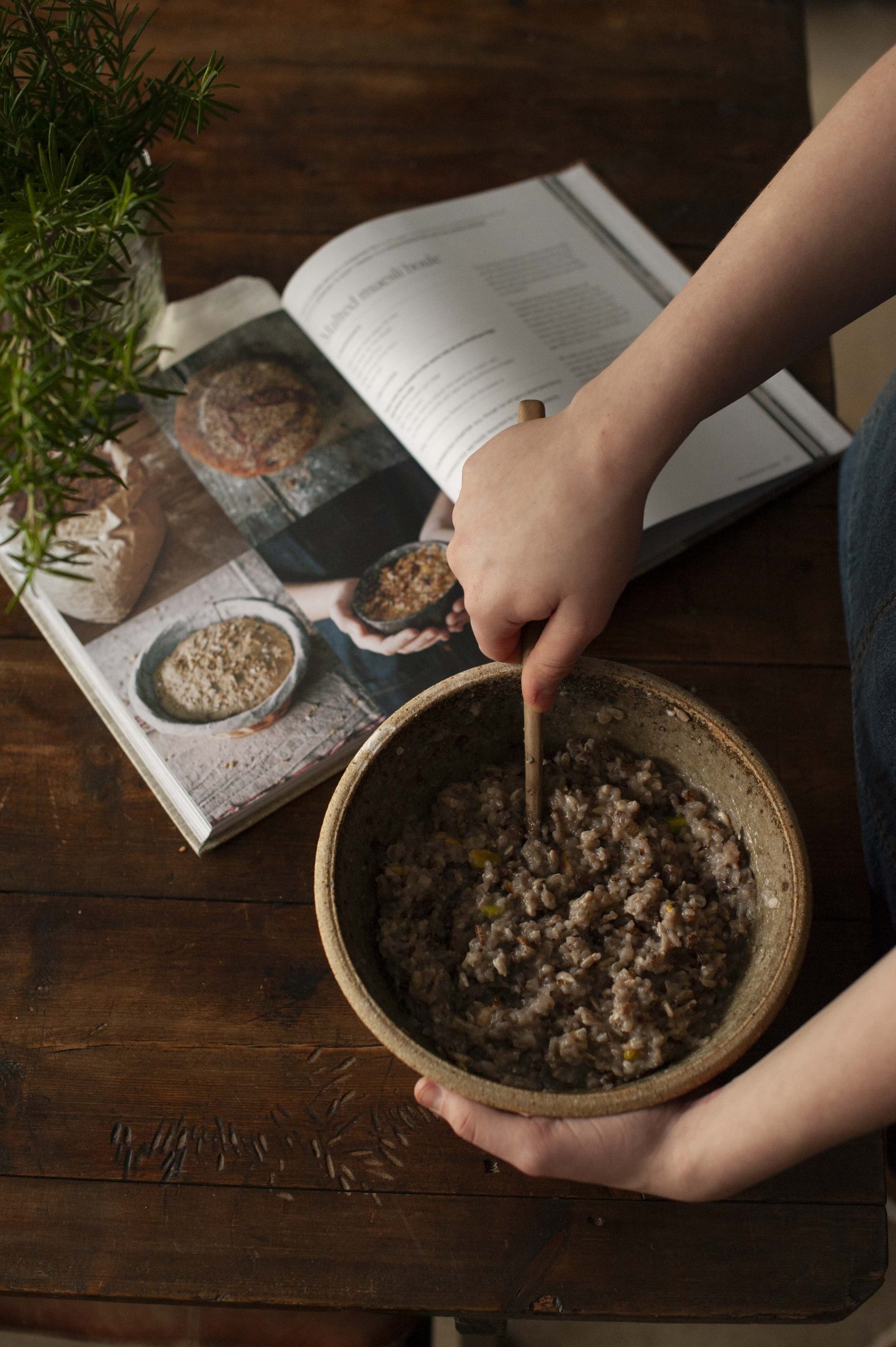
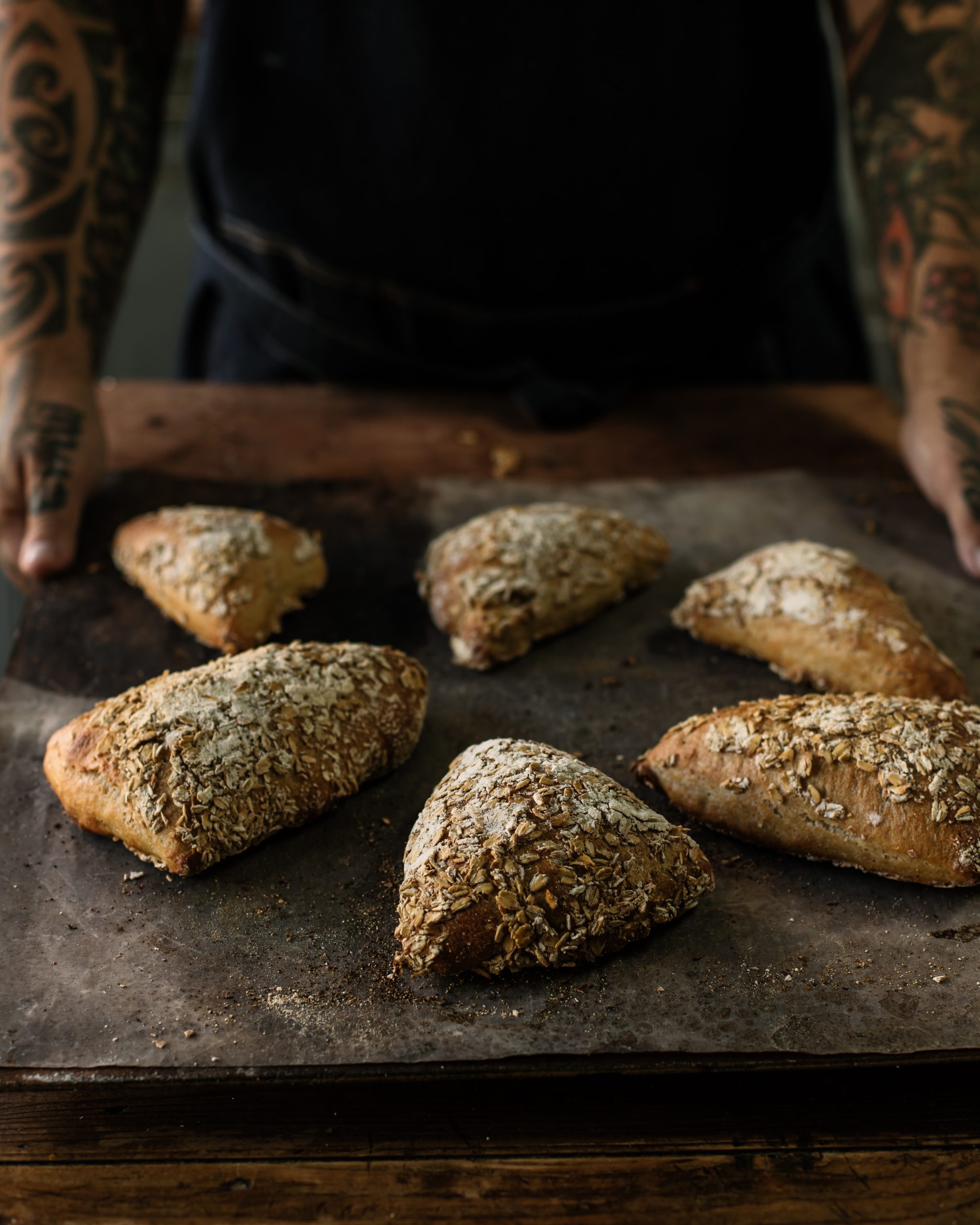
A batch of Oats Pocket Bread from 10-Minute Sourdough by Vanessa Kimbell, showcasing a high-fibre sourdough bake designed to support healthy cholesterol levels through the BALM protocol.
Diversity Bread® 2 Day Workshop - Image 16
Diversity Bread® 2 Day Workshop - Image 17
Diversity Bread® 2 Day Workshop - Image 18
Diversity Bread® 2 Day Workshop - Image 19

Diversity Bread® 2 Day Workshop

£599

An Introduction to Diversity Bread & Gut health

IN PERSON  2 days at The Sourdough School 
WHO: Anyone over the age of 18 can apply
IDEAL FOR: beginners
PROGRAMME FEE: £599
FOCUS: Gentle days learning about the gut microbiome, spent in the School kitchen garden learning how to blend to include thirty plants in a slice of bread 
LEVEL: From beginner.

Learn to Make Diversity Bread

The books that accompany this course is 10 Minute Sourdough & Proven ( Release date 2027)

  • You will learn every step of making Diversity Bread  – Thirty plants in a slice of bread
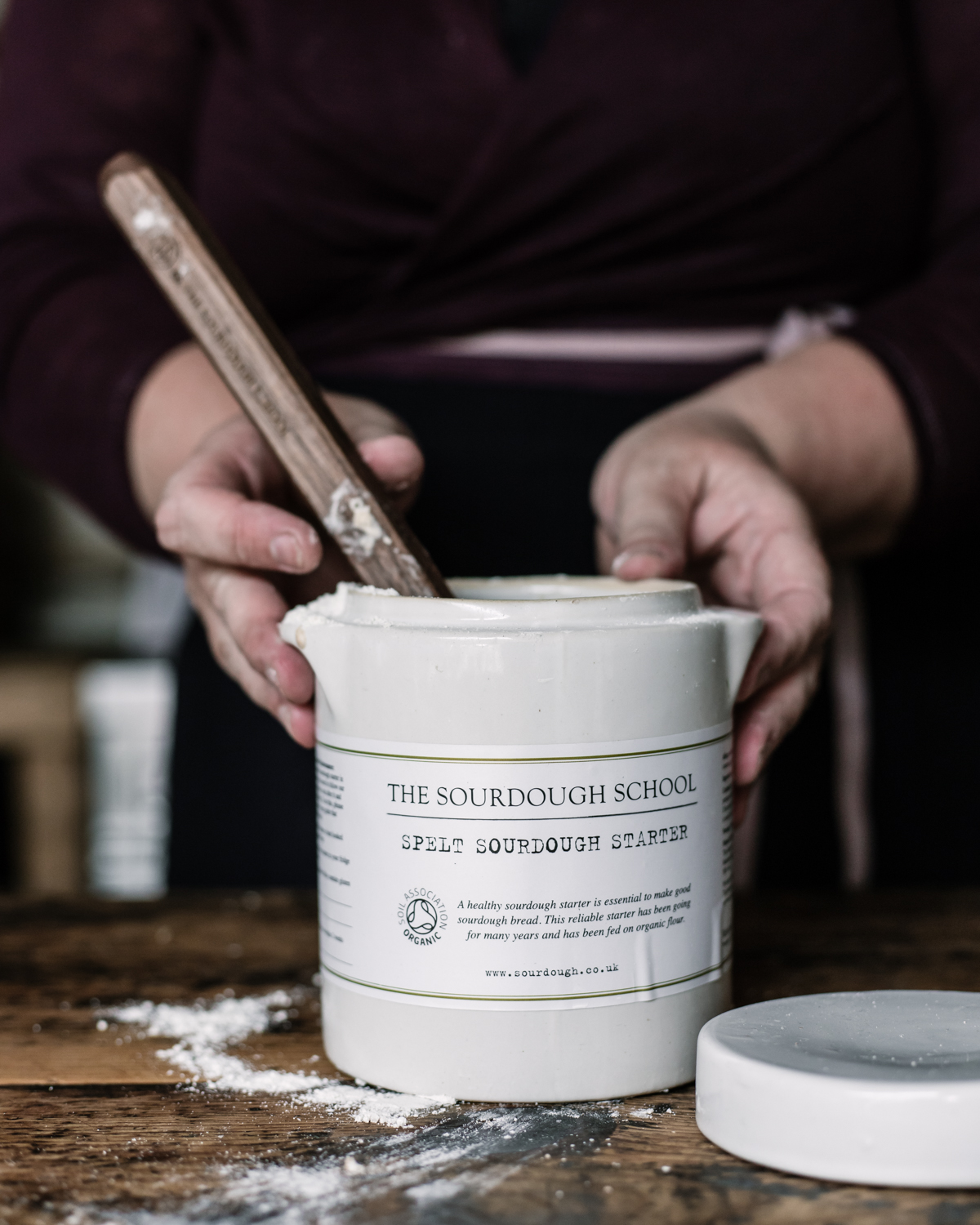
  • Starter refreshment and maintenance
  • Blending and milling Diversity Flour
  • Timings
  • Familiarisation of the variables affecting fermentation
  • About fibre, protein & gluten in the flour
  • An overview of bread and gut health
  • Eating symbiotically for optimal gut health and sequentially for blood sugar balence
  • Why diversity is key to gut health
  • About the gut microbiome and why the kind of bread you eat matters
  • Probiotics & prebiotics
Clear

SKU: N/A Categories: 3 day introduction the BALM workshops, Courses, CURRENT COURSES, Featured
  • Description
  • Course Hours
  • Lunch
  • Structure of the day
  • What This Is
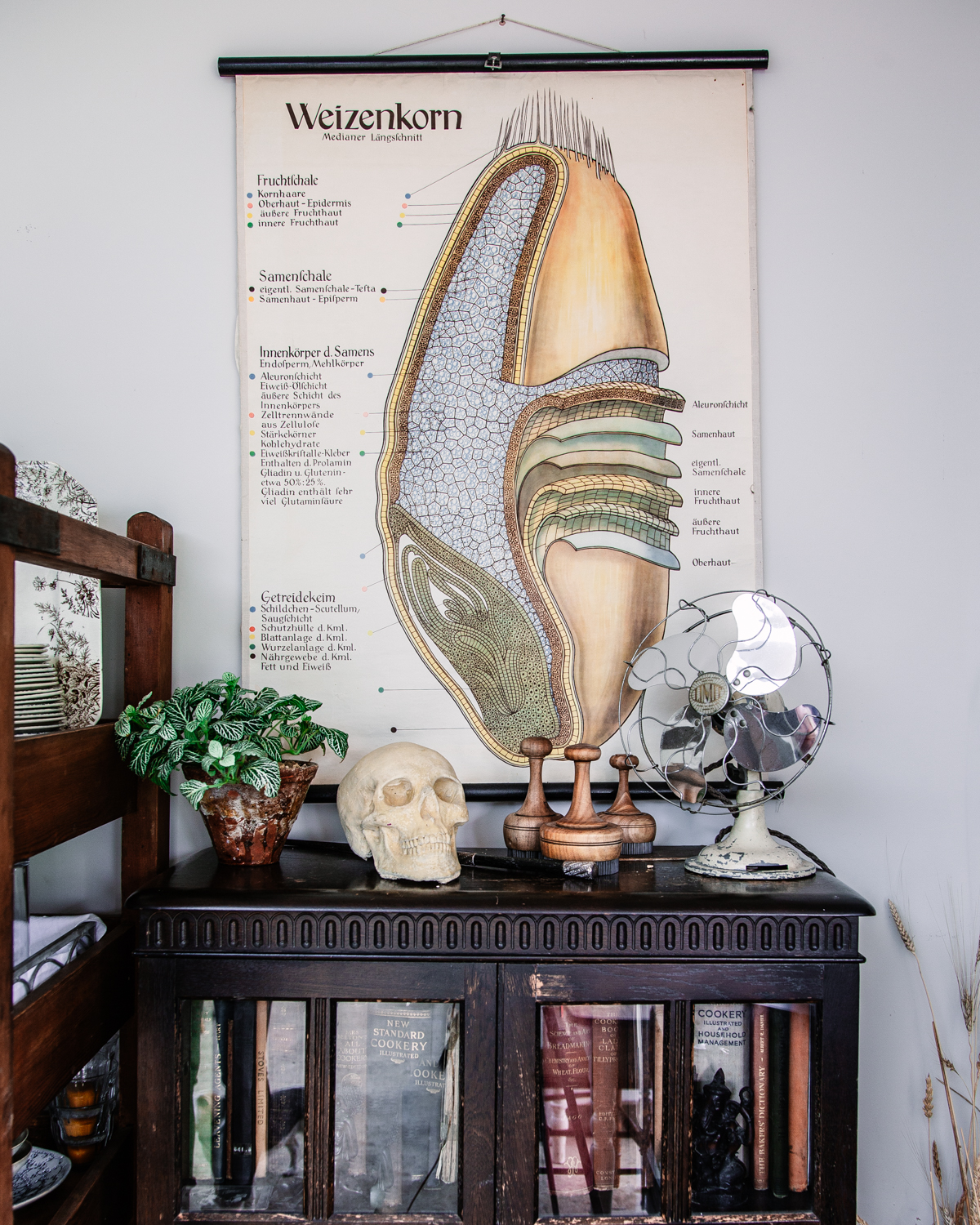
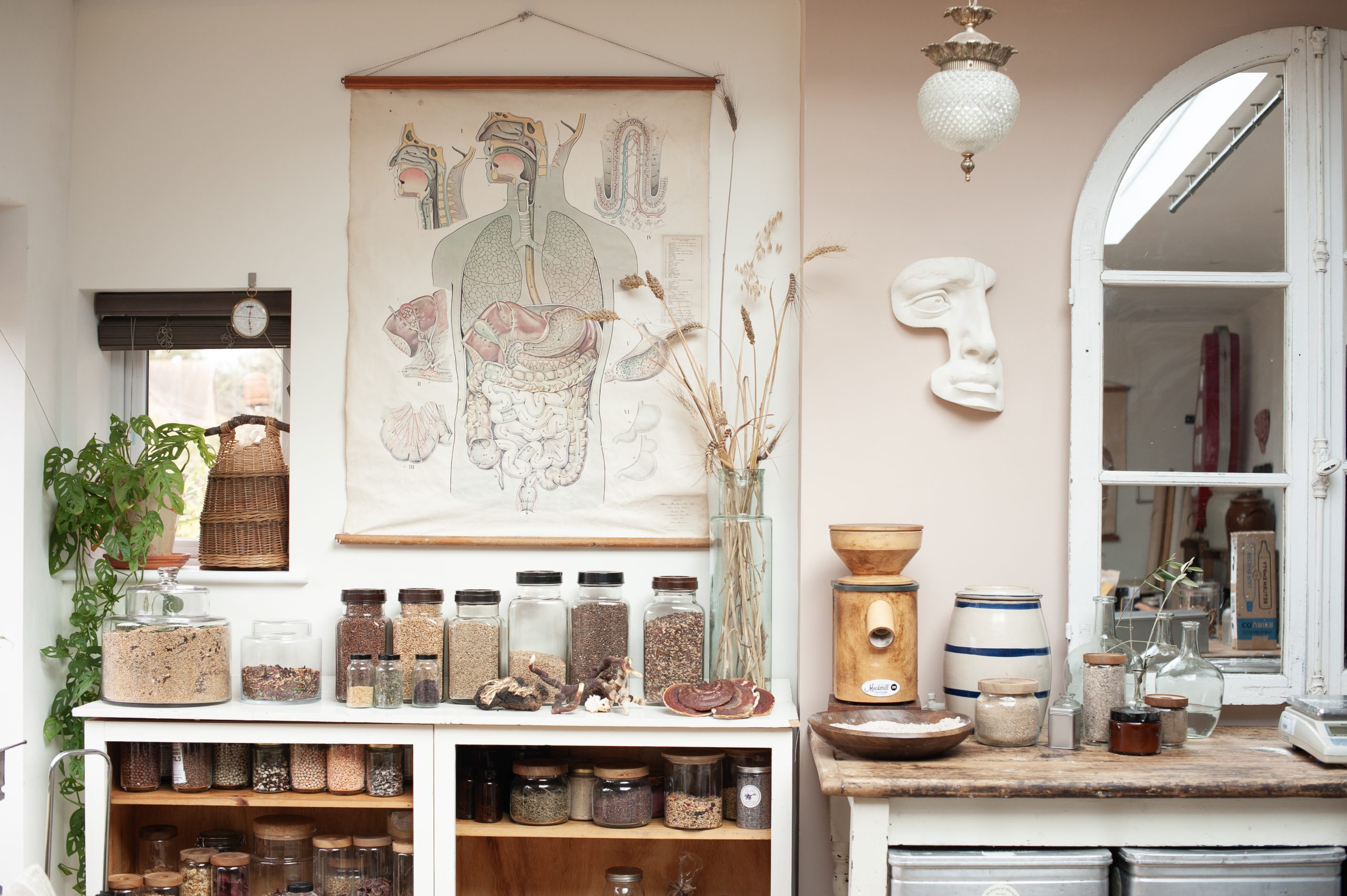
Anatomical gut-brain sculpture at The Sourdough School
Diversity Bread® has been taught at The Sourdough School for over two decades

Learn to Bake Diversity Bread®

Gentle days learning about the gut microbiome, spent in the School kitchen garden learning how to blend to include thirty plants in a slice of bread 


LEVEL: From beginner..

This two-day course is included for 2027 Diploma students.

You are invited to spend two relaxed, unhurried days with Dr Vanessa Kimbell and Libiana Kimbell, exploring the foundational principles of Diversity Bread®.

Two days that feel like coming home

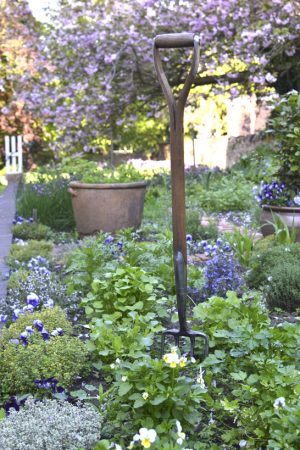
Something magical happens when you connect: when you take the time to be present, to put your hands into the soil, to work with the season and to understand where your bread begins.

The Sourdough School is set within two-thirds of an acre in rural Northamptonshire. It has been designed in every way to welcome you into my home and into the living system in which I work. The garden, kitchen, library, mill and bakery are all part of the place where I live with my family. Whatever I have planted in the garden is quite likely to become part of our lunch.

These are two slow, unhurried days in which we follow Diversity Bread® from the soil to the mill, through fermentation and into the oven, and finally to the table.

Our mornings are spent in the garden, gathering herbs, flowers, seeds and botanicals. We will use what we gather to create a botanical blend, which we will mill into fresh Botanical Blend Flour®. In the afternoon, we will bake with the flour we have made.

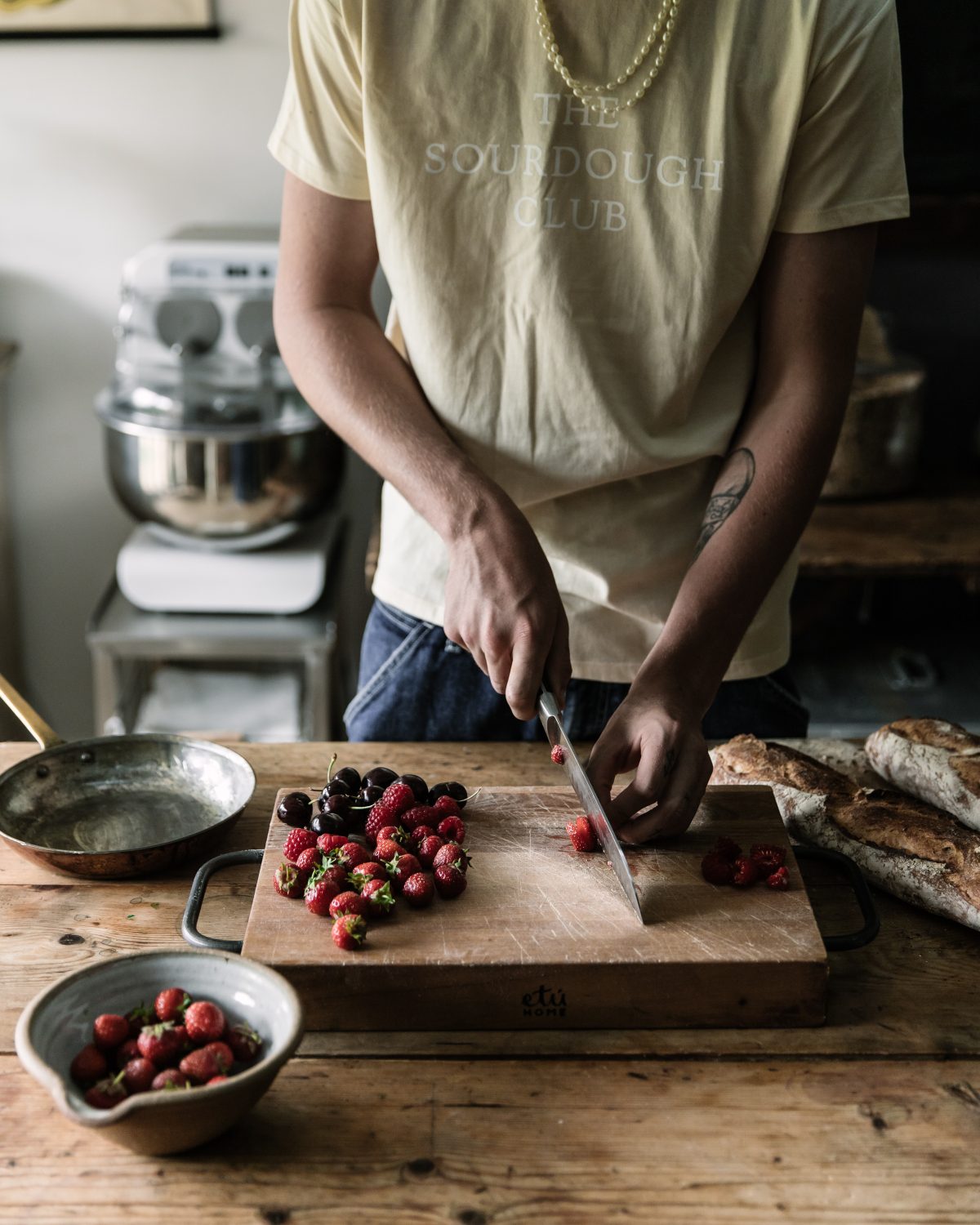
The blend changes from season to season, and the bread changes with it. Each loaf carries the diversity of that particular moment in the garden. September may give us plums for preserves. June might bring fresh strawberries. In late summer, we may make passata from the tomatoes to spoon over pizza. You might smell soup simmering in the kitchen or see jars of pickles, vinegars and preserves being filled with whatever is abundant that morning.

No two Diversity Breads will ever be exactly the same. That is rather the point.

What you will learn

Modern bread has been reduced in almost every dimension: one grain, one commercial strain of yeast and a narrow range of fibres and plant compounds. I call this Mono Bread.

Diversity Bread® is the connection between the diversity in our Environment and to our gut health. I will teach you about our Meadow Blend and show you ways to use grains, seeds, pulses, herbs, flowers and botanicals in your bread. Some of these can be grown in your own garden; others can be bought from farmers, millers and specialist producers. I will share the practical techniques and small adjustments that make this possible in an ordinary home kitchen.

Our Diversity Bread aims for at least 18 hours of fermentation and 30 different ingredients in every slice. My doctoral research showed that this approach produced bread with nearly three times the polyphenols of wholemeal bread.

These figures come from my doctorate, my research and the studies underpinning the Baking as Lifestyle Medicine framework. Through diversity and fermentation, we can make bread with fibres and plant compounds that are rarely present in standard bread.

During the course, I will teach you:

  • creating a seasonal botanical blend from what is growing and available;
  • milling that blend into fresh Botanical Blend Flour®;
  • mixing and developing your Diversity Bread dough;
  • refreshing and caring for your sourdough starter;
  • about the timings and rhythms of sourdough fermentation;
  • the ways temperature, flour, hydration and microbial activity alter the rate of fermentation;
  • working confidently with freshly milled flour;
  • the roles of fibre, protein and gluten;
  • the influence of fermentation on the nutrition and digestibility of bread;
  • why plant diversity matters to the gut microbiome;
  • using bread as a practical fibre-delivery system;
  • bringing prebiotic and probiotic foods deliciously into everyday meals;
  • eating symbiotically and sequentially to support gut health.

You will see the practical application of these principles throughout the two days. You will mill, mix, ferment and bake your own Diversity Bread, then eat warm bread from our ovens as part of lunch.

This course accompanies my new book, PROVEN, publishing in February 2027.

How the two days unfold

These are two working days, strongly influenced by the season and by what is growing in the garden. There is a sense of flow rather than a fixed classroom schedule.

Thursday

We begin at 10am with tea, coffee and introductions.

The morning is spent in the garden, harvesting, planting and gathering what we need. As we work, we will talk about soil health, botanical diversity, microbial diversity and the relationship between the garden and the gut.

Where the season allows, you will be able to take home cuttings or seeds from the garden.

I will also show you the way I prepare lunch. If there are chutneys, jams, pickles, vinegars or other preserves to be made, I will prepare and process them during the morning so that you can see the season move from the garden into the kitchen.

There will be a short break and time to explore the School’s library, which contains bread books dating back more than 500 years, alongside our collection of over 700 research papers.

After lunch, we will mill our flour, create our doughs and begin fermentation. At around 5pm, we will refresh our sourdough starters in preparation for the following day.

We finish at approximately 6pm.

Friday

Friday begins at 10am, with our breads going into the ovens.

As they bake, we will work with whatever the garden has given us. This might be a pickle, vinegar, preserve, cultured butter, marmalade or syrup.

From around 11am, we will return to the garden. You may take cuttings, gather seeds and mill a small quantity of Botanical Blend Flour® to take home.

You are invited to join us for lunch at around 1.30pm. Before you leave, you can refresh your sourdough starter again so that it is ready to travel home with you.

We finish at approximately 4pm.

Shared Bread

If you already bake, I would love you to bring one of your own loaves. We love tasting and comparing everyone’s bread. Few things are more delightful than gathering around a table and learning from the differences in one another’s loaves.

Together, we can explore fermentation, flour, technique, structure, flavour and digestibility. You will also mill, mix, ferment and bake your own Diversity Bread® during the course, developing the confidence to evaluate and refine your baking through observation, discussion, tasting and evidence-informed practice.

Lunch is part of the class

Lunch is far more than a meal at The Sourdough School. It is one of the foundations of the education. We teach through lunch.

On Thursday, we may eat flatbreads with labneh. On Friday, there may be Diversity Soup and red lentil dal. Every lunch includes a range of salads, pickles and fermented foods, built around the principle of eating 30 different plants and providing the gut microbiome with a rich diversity of fibres.

We will explore symbiotic eating, bringing prebiotic fibres and probiotic foods together within the same meal. We will also look at sequential eating and how the composition and order of a meal may influence digestion, satiety and the postprandial glucose response.

This is where the science becomes tangible. You gather the plants, prepare the food, smell it cooking, eat it together and begin to understand how these principles can become part of daily life.

What you will take home

  • the Diversity Bread® loaf you have mixed, fermented and baked;
  • your refreshed sourdough starter;
  • a small jar of a seasonal pickle or preserve;
  • something from the garden to grow at home, depending on what is available;
  • a small sample of your freshly milled Botanical Blend Flour®;
  • recipes and practical ideas you can use in your own kitchen;
  • a deeper understanding of the relationship between bread, fermentation, fibre and the gut microbiome;
  • and, I hope, new friendships and a feeling of connection.

There are only eight places on each course. This allows us to work together around the table, in the garden and in the bakery, with time for questions, conversation and the small observations that make such a difference to your bread.

Details & Pricing

  • THURSDAY: 10:00–18:00
  • FRIDAY: 10:00–16:00
  • LUNCH: Around 13:30 and taught as part of the course
  • CAPACITY: 8 participants
  • LEVEL: Suitable for beginners
  • LOCATION: The Sourdough School, Northamptonshire

£599 for the two-day course.

Before you visit

The Sourdough School is my home as well as my place of work. My family may be here during your visit, and there are cats and dogs on the premises. The animals are not allowed inside the bakery, although the dogs may be in the garden.

If you have a severe allergy to animals, please contact us before booking so that we can discuss this with you.

Please do not arrive before 10am. I will be preparing the School and will not be ready to receive you earlier.

If you arrive with time to spare, you can wait at The Workhouse Café in Brixworth, approximately one mile away, or take a walk around the church in the village.

We often need around 15 minutes at the end of each day to wrap up conversations and help everyone gather their bread, flour, starter and preserves. Please arrange taxis for at least 15 minutes after the stated finishing time.

Directions, accommodation and transport

Directions are sent by email as soon as you book. The email may look like an ordinary receipt, although it also contains your visitor information pack. Please open it and read it carefully.

Accommodation and transport are your own responsibility. Please see Where to stay & more for local options.

Please choose your preferred dates when booking. If a course is full, join the waiting list and we will contact you if a place becomes available.

Allergies and dietary requirements

We handle gluten, dairy, nuts, seeds and a wide range of other ingredients at The Sourdough School. I cannot guarantee an allergen-free environment.

All allergies, intolerances and dietary requirements must be declared on your visitor information form. Please also tell us in person when you arrive so that everyone in the room is aware. This gives us another layer of protection against somebody accidentally offering you something unsuitable.

If you have any concerns, including allergies, intolerances or a condition affected by food, you must speak directly with me before booking. This is a condition of attendance.

Photography and filming

People sometimes take out their phones to photograph or film parts of the course, and we may occasionally record aspects of the teaching.

We ask for your consent to photography and filming. If you are uncomfortable appearing in photographs or recordings, please let me know as soon as possible so that we can respect your wishes.

Questions before booking

If you would like to speak to me before you book, please WhatsApp me on +44 (0)7813 308301. If you are new to The Sourdough School, you can also book a free 15-minute consultation. I am very happy to answer your questions and help you decide whether these two days are right for you.

Diversity Bread®

Understanding Bread

Terms and Conditions

Booking and attendance are subject to the full Terms and Conditions of The Sourdough School Ltd. Please read these before booking.
Course Hours

Plan Your Arrival:

Please do not arrive early for the course. We ask that you respect Vanessa’s family and personal time. The dogs will be in the garden and she will not be ready to receive people until 10am. We appreciate that sometimes you may arrive early, so if you need a place to wait, we recommend The Workhouse café in the next village, about a mile and a half away.

The courses need 15 minutes to wrap up, so please book your taxi at about 15 minutes after the course ends.

  • Thursday 10 am – 6 pm
  • Friday 10 am – 4 pm

Lunch

Lunch is more than a meal—it’s a cornerstone of your educational journey, designed to reinforce healthy eating principles and the holistic benefits of sourdough bread in the healthiest way possible.
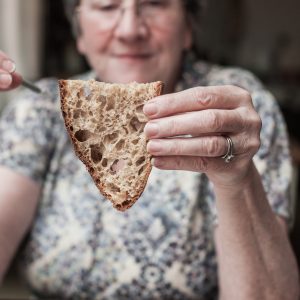
  • Flat Breads with Labneh  
  • Thursday  – Diversity Soup
  • Friday  – Red Lentil Dal 

    At The Sourdough School Baking as Lifestyle Medicine, our lunches are integral to the educational experience. We teach students during lunch and focus on enhancing fibre diversity. Each lunch includes a variety of pickles, salads, and other fermented foods, introducing multiple probiotics in the way we eat bread.  Central to our lunches is the concept of consuming 30 different plants, ensuring a rich diversity of nutrients.

    Our approach to lunch also emphasises blood sugar management. We practically demonstrate how to eat in a Mediterranean style, though we also celebrate Nordic, Japanese, and other global cuisines, making our meals diverse, delicious, and satisfying. This variety showcases the many ways people eat worldwide, incorporating different cultural elements.

    During lunch, we discuss not only how to bake bread but also how to eat it mindfully. We believe it is essential to understand bread holistically, viewing it as a social event. How you feel in the moment impacts your digestion, making it a crucial aspect of learning.

    Our lunches are symbiotic and we teach sequenced eating – this often includes red wine, or our own live probiotic drinks, cheese, and vinegar. Vinegar, in particular, helps slow down the rate of blood sugar absorption. Therefore, lunch is not merely a meal but an event. We expect students to fully participate, recognising that this shared experience is an integral part of their education. So, it is important to understand that lunch is not separate from the course.

    Lunch at Baking as Lifestyle Medicine is designed to be an enriching, educational, and enjoyable experience, reinforcing the principles of healthy eating and the holistic approach to bread and digestion.

Structure of the day

Structure of the Days

These are working days, shaped by the season, the garden, and what needs doing. The outline below gives a sense of flow rather than a fixed schedule.

Thursday — Garden, Preparation, and Starting the Work

10:00 — Arrival. Tea, coffee, greetings, and introductions.

Morning — Outside in the kitchen garden. Planting, harvesting, and gathering what we need for the day. We talk about soil, diversity, and gut health as part of understanding how the garden and the season shape the way we eat bread.

11:45 — Snack break.

12:00 — Into the kitchen. Preparing food for lunch and beginning preserving work — jams, chutneys, pickles, and elements of the Botanical Blend, alongside symbiotic meal preparation.

13:00 — Lunch, made from what we have prepared that morning. Bread making is already in process, and we may bake simple breads — flatbreads or pizza — working with what is already underway.

14:00 — A short break. Time to settle, and to look through the bread books in the library upstairs.

15:00 — Kitchen and bakery work continues bread prepared ready for the following day to bake.

17:00 — Refreshing sourdough starters, into the fridge for Friday.

18:00 — Day finishes.

Friday — Baking, Preserving, and Completing the Work

10:00 — Bread goes into the oven first thing, the cake follows.

Morning — Tasting bread fresh from the oven. Baking the breads prepared the previous day, often alongside photography or filming. Seasonal kitchen work continues throughout — pickles, vinegars, butter, preserves, marmalades, syrups, and other preparations depending on what is available.

11:00 onwards — Garden work with Libiana, on and off through the day. Taking cuttings, creating your own botanical flour and making your own Botanical Blend to take home.

13:30 — Lunch.

15:00–16:00 — The final hour is dedicated to clearing down, putting tools away, and restoring the space. The school must be left in order. Participation in this is part of the working day.

16:00 — Day finishes.

What You Will Take Home

You will take home a loaf of bread baked on the Friday, along with small samples of what you have made during the two days. Please bring a couple of small jars (approximately 200ml) for this.

What to Bring

  • Wellington boots
  • Gardening gloves
  • Clothes suitable for outdoor and kitchen work
  • A couple of small jars (approximately 200ml)

Please be prepared to work both indoors and outdoors.

What This Is

What to expect

A full working immersion in the kitchen, bakery, and garden. You join the real rhythm of the school — contributing to the work of the day. This includes kitchen garden tasks, food preparation, preserving, baking, and supporting the practical running of the space.

The work is live and changes with the season, the garden, and what needs doing. There is space to observe and ask questions in context, but I will be working, and you will be working alongside that pace.

The Role of Proven Days

Hands-On Development Work: Students are directly involved in the creation and refinement of recipes that will go on to be published within Seasonal, Live Creation: Recipes are sometimes created in real time, often beginning with what is in season in the kitchen garden. A harvest such as garlic may become the starting point for a series of new dishes, preserves, or accompanying recipes. Nothing is pre-scripted.

Published Work: This work is created to be shared — with other students, and through the recipes that are published and used beyond the school. As part of the working day, recipes and photography are gathered and prepared for publication.

You are part of that system.

Choose Your Dates

Our days get booked quickly. Should the dates you are looking for be fully booked, please join the waiting list and sign up for our email notifications to receive advanced details of available dates and a priority invitation to book.

Working Days Within a Living School

The Sourdough School is a working environment, a research kitchen, and a home. These days are where the recipes and blends are actively built — in a real garden, a real kitchen, with real seasonal ingredients. Under the guidance of Dr Vanessa Kimbell, you will contribute directly to the work that goes on to be shared with students, published in the programme, and woven into  sharing the knowledge with our community.

Seasonal Work: The days with the flow and are shaped entirely by what the garden offers and what the programme needs. You may find yourself harvesting, preserving, baking, holding the phone and filming, or all of these — often within the same afternoon!  This part of the fun.

Immersive Participation: Numbers are small — a maximum of 8 —

The BALM Protocol: The work of these days is shaped by the BALM Protocol (Baking as Lifestyle Medicine) — the clinical framework underpinning the Proven Bread Programme, integrated into NHS practice at Bethlem Royal Hospital’s ADRU Unit.

You may also like…

  • Step 2: Nutrigenomic Reports

    Step 2: Nutrigenomic Reports

    Nutrigenetic Analysis
    Personalised Bread
    £599
  • Facebook
  • Instagram
  • Pinterest
  • X

Terms and Conditions
Privacy Policy

Call +44 (0)7813308301
Email [email protected]

The Sourdough School is Registered in England & Wales: 08412236

BANT member
Lifecode Gx

Copyright © 2026 · The Sourdough School · All Rights Reserved · Website by Callia Web