• Skip to main content
  • Skip to after header navigation
  • Skip to site footer

The Sourdough School

DIVERSITY BREAD® || PERSONALISED BREAD || BAKING AS LIFESTYLE MEDICINE

Bake With The Hands Of An Artisan And The Mind Of A Clinician

Set within the walled gardens of Dr Vanessa Kimbell’s beautiful Victorian home in rural Northamptonshire, The Sourdough School is home to the Proven Bread Programme, teaching the art and science of nutrition, the gut microbiome and fermentation in bread. We train bakers to produce Diversity Bread® and healthcare professionals to personalise bread through Baking as Lifestyle Medicine. Arrange a conversation today.

WhatsApp: +44(0)7813308301
[email protected]
Follow on Instagram

Book A Consultation
  • Facebook
  • Instagram
  • Pinterest
  • X
Student Login
  • Workshops
    • Book a Call
    • 2 Day Workshops
    • 3 days Personalised Bread Workshops
    • Tuscan Retreat
    • 12 Week Post Course Support
    • Request a Callback
  • About
    • About The Sourdough School
    • Priority Access: Join the Waiting List
    • Contact Us & FAQ
    • Reviews
    • General FAQ’s about The School
    • Diversity Bread™
    • Where to stay & more
    • Training Bakers & Healthcare Professionals
    • Educational Awards Programme
    • The Team
    • A Social Enterprise
    • Contributors & Guest Tutors
    • What Our Students Say
  • Learn
    • The Diploma – January 2027
    • Request a callback
    • Graduation Recipe Collection
  • What is Proven?
    • Baking as Lifestyle Medicine (BALM)
    • Bread as Preventative Health
    • BALM & Bread in The Blue Zone
    • Proven Bread Documentary
    • Prove it – The Case Studies
    • Proven: Bread Podcast
    • Proven
    • Login
  • Personalised Bread
    • Personalising Bread Using Nutrigenetics
    • Personalisation
    • Personalising Bread
  • Workshops
    • Book a Call
    • 2 Day Workshops
    • 3 days Personalised Bread Workshops
    • Tuscan Retreat
    • 12 Week Post Course Support
    • Request a Callback
  • About
    • About The Sourdough School
    • Priority Access: Join the Waiting List
    • Contact Us & FAQ
    • Reviews
    • General FAQ’s about The School
    • Diversity Bread™
    • Where to stay & more
    • Training Bakers & Healthcare Professionals
    • Educational Awards Programme
    • The Team
    • A Social Enterprise
    • Contributors & Guest Tutors
    • What Our Students Say
  • Learn
    • The Diploma – January 2027
    • Request a callback
    • Graduation Recipe Collection
  • What is Proven?
    • Baking as Lifestyle Medicine (BALM)
    • Bread as Preventative Health
    • BALM & Bread in The Blue Zone
    • Proven Bread Documentary
    • Prove it – The Case Studies
    • Proven: Bread Podcast
    • Proven
    • Login
  • Personalised Bread
    • Personalising Bread Using Nutrigenetics
    • Personalisation
    • Personalising Bread

Baking as Lifestyle Medicine Research Library

[iframe url="https://player.vimeo.com/video/746508423?h=83ab743c2f" width="640" height="360"]

Baking as Lifestyle Medicine Research Library

Comprising seven principles and reflecting over 20 years of research. The Baking as Lifestyle Medicine Protocol ( BALM Protocol ) is an evidence-based approach.  The foundation of BALM is in The Six Pillars of Lifestyle Medicine. The framework guides everything we do at The Sourdough School and The Sourdough Club.


This library embodies a comprehensive and holistic approach to the study of baking, eating, and sharing bread, encompassing a diverse range of interconnected topics. Reflecting the complexity of this approach, the research covers various areas such as breadmaking, nutrition, fermentation, lifestyle medicine, sleep science, stress management, physical activity, non-communicable diseases, and the gut microbiome, with a strong focus on the mechanisms of fermentation.

By integrating these diverse fields of study, the library offers a multifaceted perspective on the many aspects that contribute to our relationship with bread and its impact on our well-being. This holistic approach acknowledges the complexity of the subject matter and encourages a deeper understanding of the interconnected factors that influence our health and overall quality of life through the lens of breadmaking and consumption.

Students can use the catalogue to search but must be logged in to do so.

How do we use the studies?

Every recipe, every lesson, and every ingredient in The School and the Club is meticulously researched, and we link back to the research in this library.

Creating and maintaining our research library has taken hundreds of hours and significant resources. From the beginning, Vanessa has written plain English "translations" of each study to make the information more accessible and understandable for a wider audience. Although academic studies are linked to each review, several obstacles inspired us to share this knowledge freely:

  1. Limited access to studies: In the past, many studies were only available to those affiliated with academic institutions. While this has improved over the years, we believe that knowledge should be accessible to everyone, regardless of their background or affiliation.
  2. Difficulty understanding academic language: Even when studies are publicly available, many people struggle to interpret the complex language used in academic research. By providing plain English summaries, we aim to bridge this gap and make research findings more comprehensible to a wider audience.
  3. Translating knowledge into practical applications: Understanding the results of a study doesn't always equate to knowing how to apply that knowledge to everyday life, such as incorporating it into one's diet. Our library helps readers of our books gain a deeper understanding of the research behind them and offers practical guidance on incorporating the findings into their lives.

Vanessa firmly believes that making knowledge accessible and available is a way to disrupt the influence of large food conglomerates that produce addictive ultra-processed foods. We view knowledge-sharing as a vital component of our social justice strategy, empowering people to make informed decisions about their diets and overall well-being.

By sharing our research library freely, we encourage everyone to bake, eat, and share knowledge, promoting a more equitable and health-conscious society.
bread crumb and Gut health

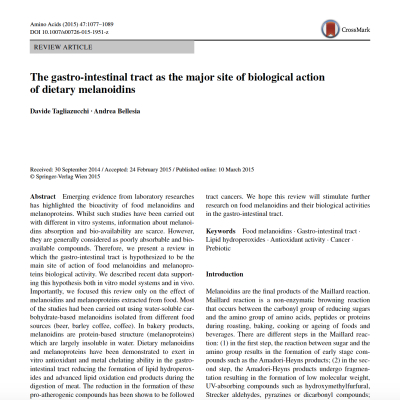
The gastro?intestinal tract as the major site of biological action of dietary melanoidins

sourdough crust and antioxidants

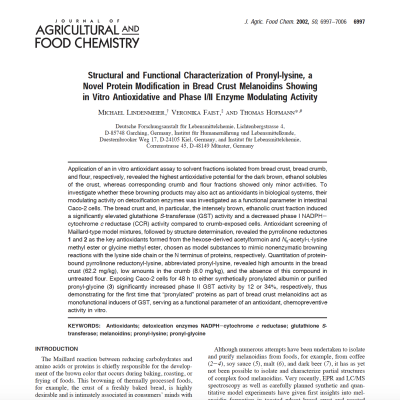
Structural and Functional Characterization of Pronyl-lysine, a Novel Protein Modification in Bread Crust Melanoidins Showing in Vitro Antioxidative and Phase I/II Enzyme Modulating Activity

The gut micro biome

A dynamic partnership : Celebrating our gut flora

Amaranth nutritional benefits

Effect of whole amaranth flour on bread properties and nutritive value

Sourdough and lactic acid bacteria

Monitoring of wheat lactic acid bacteria from the field until the first step of dough fermentation

Wheat and bread making process

Wheat flour constituents: how they impact bread quality, and how to impact their functionality

Wheat species and their nutritional value

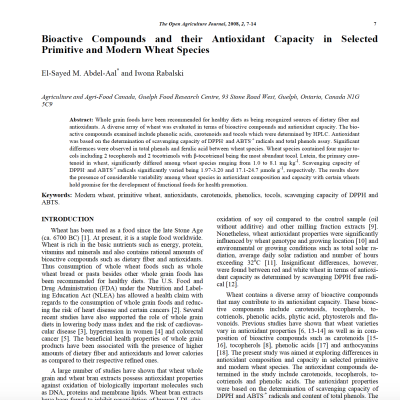
Bioactive Compounds and their Antioxidant Capacity in Selected Primitive and Modern Wheat Species

phenolic compounds in wheat

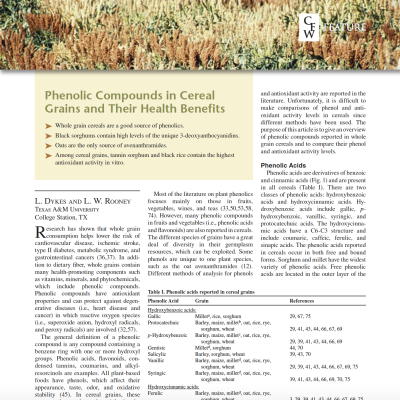
Phenolic compounds in cereal grains and their health benefits

pesticides and health

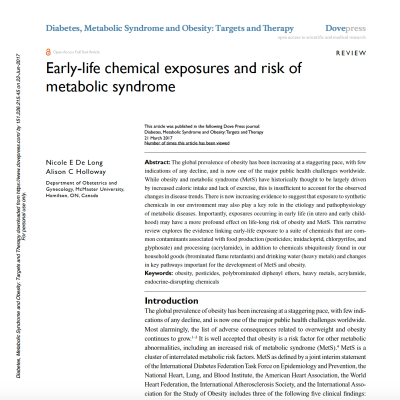
Early-life chemical exposures and risk of metabolic syndrome

Sourdough overview

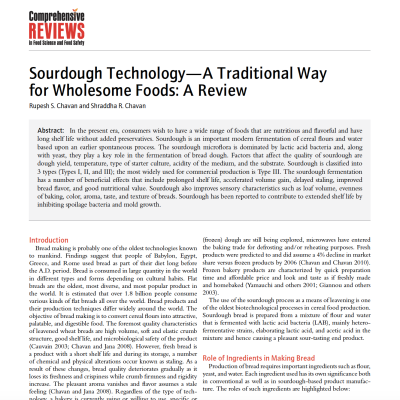
Sourdough Technology—A Traditional Way for Wholesome Foods: A Review

Sourdough and phytic acid

Prolonged Fermentation of Whole Wheat Sourdough Reduces Phytate Level and Increases Soluble Magnesium

Sourdough and einkorn bread

The acute impact of the intake of four types of bread on satiety and blood concentrations of glucose, insulin, free fatty acids, triglyceride and acylated ghrelin- A randomized controlled cross-over trial

Rye bread and effect on CVD

Effects of whole grain rye, with and without resistant starch type 2 supplementation, on glucose tolerance, gut hormones, inflammation and appetite regulation in an 11–14.5 hour perspective; a randomized controlled study in healthy subjects

Lactic acid bacteria and shelf life

Anti-fungal lactic acid bacteria as bio-preservatives

Sourdough bread and shelf life

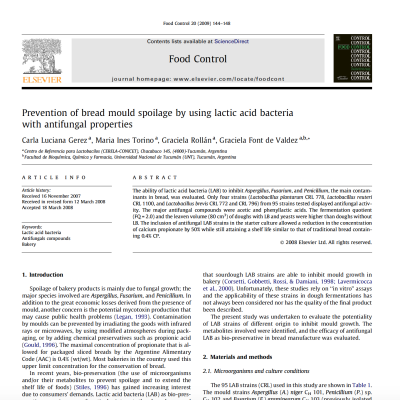
Prevention of bread mould spoilage by using lactic acid bacteria with antifungal properties

Oat polyphenols

Dietary Polyphenols, Inflammation, and Cancer

Importance of polyphenols

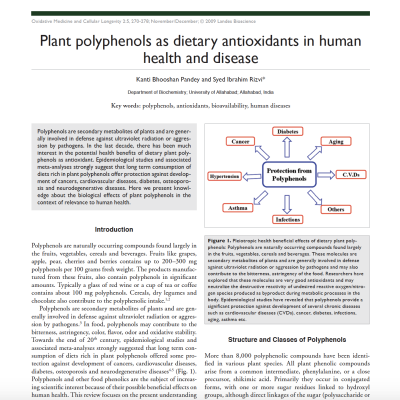
Plant polyphenols as dietary antioxidants in human health and disease

Screen Shot 2017-06-16 at 16.55.34

Oxidative stress and cardiovascular health: therapeutic potential of polyphenols.

Cancer

Cancer is a preventable disease that requires major lifestyle changes

Resistant starch and sourdough

Resistant starch formation in bread as influenced by choice of ingredients and baking conditions

Diet and gut micro biome

The impact of the gut microbiota on human health: an integrative review

IBS and the gut micro biome

Diet-induced dysbiosis of the intestinal microbiota and the effects on immunity and disease

IBS and diet

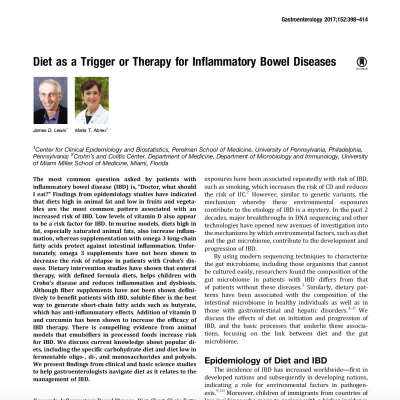
Diet as a trigger for Inflammation Bowel Disease

SCFA and IBS

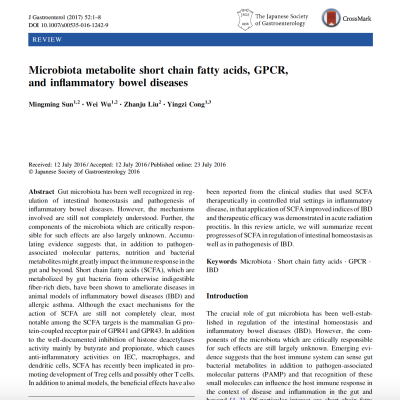
Microbiota metabolite short chain fatty acids, GPCR, and inflammatory bowel disease

  • Previous
  • Page 1
  • Interim pages omitted …
  • Page 21
  • Page 22
  • Page 23
  • Page 24
  • Page 25
  • Page 26
  • Next
  • Facebook
  • Instagram
  • Pinterest
  • X

Terms and Conditions
Privacy Policy

Call +44 (0)7813308301
Email [email protected]

The Sourdough School is Registered in England & Wales: 08412236

BANT member
Lifecode Gx

Copyright © 2026 · The Sourdough School · All Rights Reserved · Website by Callia Web