Baking as Lifestyle Medicine Research Library
Baking as Lifestyle Medicine Research Library
Comprising seven principles and reflecting over 20 years of research. The Baking as Lifestyle Medicine Protocol ( BALM Protocol ) is an evidence-based approach. The foundation of BALM is in The Six Pillars of Lifestyle Medicine. The framework guides everything we do at The Sourdough School and The Sourdough Club.
This library embodies a comprehensive and holistic approach to the study of baking, eating, and sharing bread, encompassing a diverse range of interconnected topics. Reflecting the complexity of this approach, the research covers various areas such as breadmaking, nutrition, fermentation, lifestyle medicine, sleep science, stress management, physical activity, non-communicable diseases, and the gut microbiome, with a strong focus on the mechanisms of fermentation.
By integrating these diverse fields of study, the library offers a multifaceted perspective on the many aspects that contribute to our relationship with bread and its impact on our well-being. This holistic approach acknowledges the complexity of the subject matter and encourages a deeper understanding of the interconnected factors that influence our health and overall quality of life through the lens of breadmaking and consumption.
Students can use the catalogue to search but must be logged in to do so.
How do we use the studies?
Every recipe, every lesson, and every ingredient in The School and the Club is meticulously researched, and we link back to the research in this library.
Creating and maintaining our research library has taken hundreds of hours and significant resources. From the beginning, Vanessa has written plain English "translations" of each study to make the information more accessible and understandable for a wider audience. Although academic studies are linked to each review, several obstacles inspired us to share this knowledge freely:
- Limited access to studies: In the past, many studies were only available to those affiliated with academic institutions. While this has improved over the years, we believe that knowledge should be accessible to everyone, regardless of their background or affiliation.
- Difficulty understanding academic language: Even when studies are publicly available, many people struggle to interpret the complex language used in academic research. By providing plain English summaries, we aim to bridge this gap and make research findings more comprehensible to a wider audience.
- Translating knowledge into practical applications: Understanding the results of a study doesn't always equate to knowing how to apply that knowledge to everyday life, such as incorporating it into one's diet. Our library helps readers of our books gain a deeper understanding of the research behind them and offers practical guidance on incorporating the findings into their lives.
Vanessa firmly believes that making knowledge accessible and available is a way to disrupt the influence of large food conglomerates that produce addictive ultra-processed foods. We view knowledge-sharing as a vital component of our social justice strategy, empowering people to make informed decisions about their diets and overall well-being.
By sharing our research library freely, we encourage everyone to bake, eat, and share knowledge, promoting a more equitable and health-conscious society.
Effects of Arabinoxylan and Resistant Starch on Intestinal Microbiota and Short-Chain Fatty Acids in Subjects with Metabolic Syndrome: A Randomised Crossover Study
Gut microbiota-derived short-chain Fatty acids, T cells, and inflammation
Antioxidant and antidiabetic activity of blackberry after gastrointestinal digestion and human gut microbiota fermentation
Essential and toxic metals in animal bone broths
Human genetics shape the gut microbiome
In vitro investigation into the potential prebiotic activity of honey oligosaccharides
Prebiotic Potential and Chemical Composition of Seven Culinary Spice Extracts
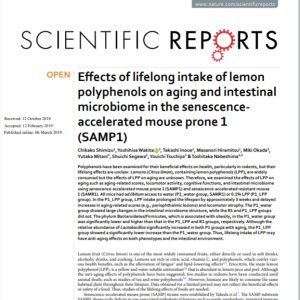
Effects of lifelong intake of lemon polyphenols on aging and intestinal microbiome in the senescence-accelerated mouse prone 1 (SAMP1)
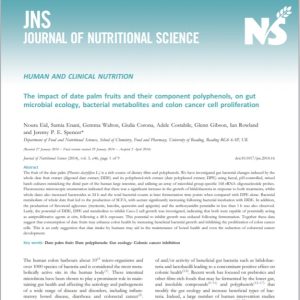
The impact of date palm fruits and their component polyphenols, on gut microbial ecology, bacterial metabolites and colon cancer cell proliferation
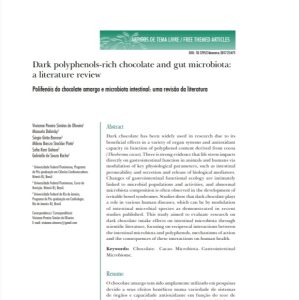
DARK POLYPHENOLS-RICH CHOCOLATE AND GUT MICROBIOTA: A LITERATURE REVIEW
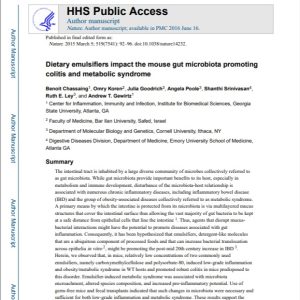
Dietary emulsifiers impact the mouse gut microbiota promoting colitis and metabolic syndrome
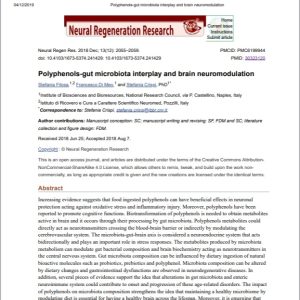
Polyphenols-gut microbiota interplay and brain neuromodulation
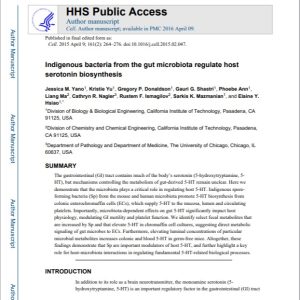
Indigenous bacteria from the gut microbiota regulate host serotonin biosynthesis
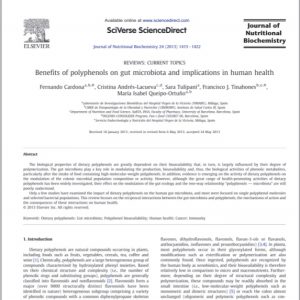
Benefits of polyphenols on gut microbiota and implications in human health
- « Previous Page
- 1
- …
- 5
- 6
- 7
- 8
- 9
- …
- 13
- Next Page »