• Skip to main content
  • Skip to after header navigation
  • Skip to site footer

The Sourdough School

DIVERSITY BREAD® || PERSONALISED BREAD || BAKING AS LIFESTYLE MEDICINE

Bake With The Hands Of An Artisan And The Mind Of A Clinician

Set within the walled gardens of Dr Vanessa Kimbell’s beautiful Victorian home in rural Northamptonshire, The Sourdough School is home to the Proven Bread Programme, teaching the art and science of nutrition, the gut microbiome and fermentation in bread. We train bakers to produce Diversity Bread® and healthcare professionals to personalise bread through Baking as Lifestyle Medicine. Arrange a conversation today.

WhatsApp: +44(0)7813308301
[email protected]
Follow on Instagram

Book A Consultation
  • Facebook
  • Instagram
  • Pinterest
  • X
Student Login
  • Workshops
    • Book a Call
    • 2 Day Workshops
    • 3 days Personalised Bread Workshops
    • Tuscan Retreat
    • 12 Week Post Course Support
    • Request a Callback
  • About
    • About The Sourdough School
    • Priority Access: Join the Waiting List
    • Contact Us & FAQ
    • Reviews
    • General FAQ’s about The School
    • Diversity Bread™
    • Where to stay & more
    • Training Bakers & Healthcare Professionals
    • Educational Awards Programme
    • The Team
    • A Social Enterprise
    • Contributors & Guest Tutors
    • What Our Students Say
  • Learn
    • The Diploma – January 2027
    • Request a callback
    • Graduation Recipe Collection
  • What is Proven?
    • Baking as Lifestyle Medicine (BALM)
    • Bread as Preventative Health
    • BALM & Bread in The Blue Zone
    • Proven Bread Documentary
    • Prove it – The Case Studies
    • Proven: Bread Podcast
    • Proven
    • Login
  • Personalised Bread
    • Personalising Bread Using Nutrigenetics
    • Personalisation
    • Personalising Bread
  • Workshops
    • Book a Call
    • 2 Day Workshops
    • 3 days Personalised Bread Workshops
    • Tuscan Retreat
    • 12 Week Post Course Support
    • Request a Callback
  • About
    • About The Sourdough School
    • Priority Access: Join the Waiting List
    • Contact Us & FAQ
    • Reviews
    • General FAQ’s about The School
    • Diversity Bread™
    • Where to stay & more
    • Training Bakers & Healthcare Professionals
    • Educational Awards Programme
    • The Team
    • A Social Enterprise
    • Contributors & Guest Tutors
    • What Our Students Say
  • Learn
    • The Diploma – January 2027
    • Request a callback
    • Graduation Recipe Collection
  • What is Proven?
    • Baking as Lifestyle Medicine (BALM)
    • Bread as Preventative Health
    • BALM & Bread in The Blue Zone
    • Proven Bread Documentary
    • Prove it – The Case Studies
    • Proven: Bread Podcast
    • Proven
    • Login
  • Personalised Bread
    • Personalising Bread Using Nutrigenetics
    • Personalisation
    • Personalising Bread

Baking as Lifestyle Medicine Research Library

[iframe url="https://player.vimeo.com/video/746508423?h=83ab743c2f" width="640" height="360"]

Baking as Lifestyle Medicine Research Library

Comprising seven principles and reflecting over 20 years of research. The Baking as Lifestyle Medicine Protocol ( BALM Protocol ) is an evidence-based approach.  The foundation of BALM is in The Six Pillars of Lifestyle Medicine. The framework guides everything we do at The Sourdough School and The Sourdough Club.


This library embodies a comprehensive and holistic approach to the study of baking, eating, and sharing bread, encompassing a diverse range of interconnected topics. Reflecting the complexity of this approach, the research covers various areas such as breadmaking, nutrition, fermentation, lifestyle medicine, sleep science, stress management, physical activity, non-communicable diseases, and the gut microbiome, with a strong focus on the mechanisms of fermentation.

By integrating these diverse fields of study, the library offers a multifaceted perspective on the many aspects that contribute to our relationship with bread and its impact on our well-being. This holistic approach acknowledges the complexity of the subject matter and encourages a deeper understanding of the interconnected factors that influence our health and overall quality of life through the lens of breadmaking and consumption.

Students can use the catalogue to search but must be logged in to do so.

How do we use the studies?

Every recipe, every lesson, and every ingredient in The School and the Club is meticulously researched, and we link back to the research in this library.

Creating and maintaining our research library has taken hundreds of hours and significant resources. From the beginning, Vanessa has written plain English "translations" of each study to make the information more accessible and understandable for a wider audience. Although academic studies are linked to each review, several obstacles inspired us to share this knowledge freely:

  1. Limited access to studies: In the past, many studies were only available to those affiliated with academic institutions. While this has improved over the years, we believe that knowledge should be accessible to everyone, regardless of their background or affiliation.
  2. Difficulty understanding academic language: Even when studies are publicly available, many people struggle to interpret the complex language used in academic research. By providing plain English summaries, we aim to bridge this gap and make research findings more comprehensible to a wider audience.
  3. Translating knowledge into practical applications: Understanding the results of a study doesn't always equate to knowing how to apply that knowledge to everyday life, such as incorporating it into one's diet. Our library helps readers of our books gain a deeper understanding of the research behind them and offers practical guidance on incorporating the findings into their lives.

Vanessa firmly believes that making knowledge accessible and available is a way to disrupt the influence of large food conglomerates that produce addictive ultra-processed foods. We view knowledge-sharing as a vital component of our social justice strategy, empowering people to make informed decisions about their diets and overall well-being.

By sharing our research library freely, we encourage everyone to bake, eat, and share knowledge, promoting a more equitable and health-conscious society.
Mendel's laws of inheritance and wheat breeding

Mendel’s laws of inheritance and wheat breeding

Intakes and food sources of dietary fibre and their associations with measures of body composition and inflammation in UK adults: cross-sectional analysis of the airwave health monitoring study.

Intakes and food sources of dietary fibre and their associations with measures of body composition and inflammation in UK adults: cross-sectional analysis of the airwave health monitoring study

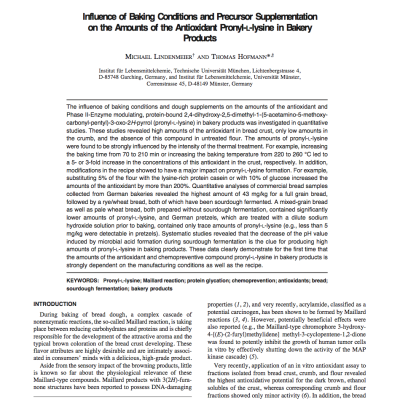
Influence of baking conditions and precursor supplementation on the amounts of the antioxidant pronyl-L-lysine in bakery products

Influence of baking conditions and precursor supplementation on the amounts of the antioxidant pronyl-L-lysine in bakery products

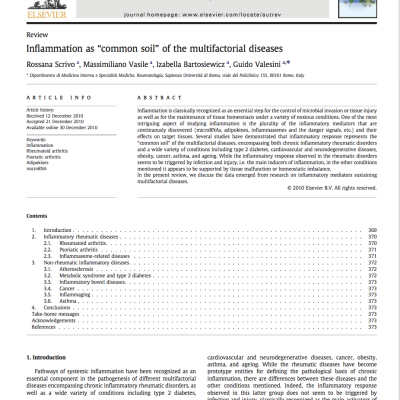
Inflammation as "common soil" of the multifactorial diseases

Inflammation as “common soil” of the multifactorial diseases

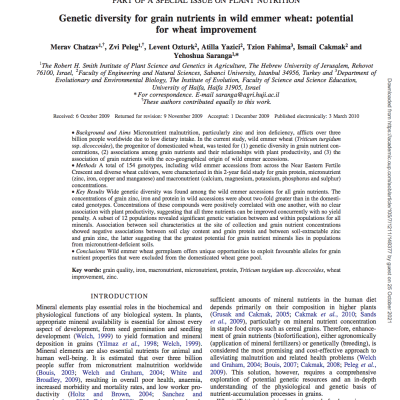
Genetic diversity for grain nutrients in wild emmer wheat: potential for wheat improvement

Genetic diversity for grain nutrients in wild emmer wheat: potential for wheat improvement

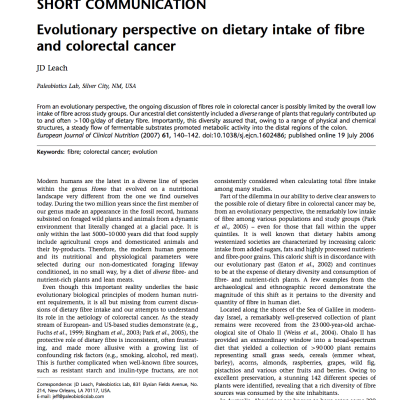
Evolutionary perspective on dietary intake of fibre and colorectal cancer

Evolutionary perspective on dietary intake of fibre and colorectal cancer

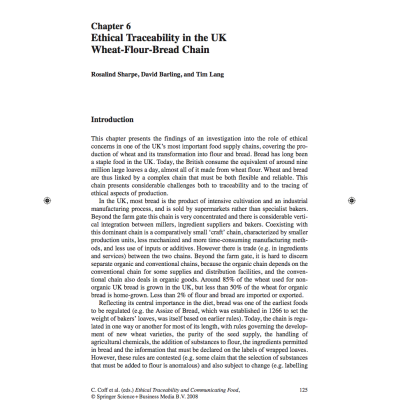
Ethical traceability in the UK wheat-flour-bread chain

Ethical traceability in the UK wheat-flour-bread chain

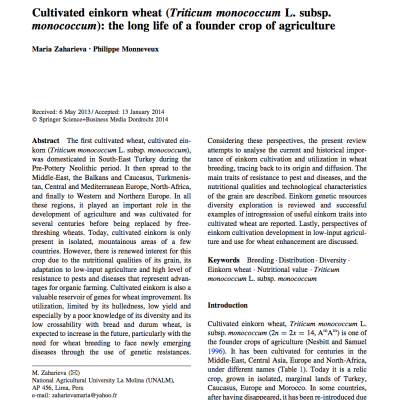
Cultivated einkorn wheat (Triticum monococcum L. subsp. monococcum)

Cultivated einkorn wheat (Triticum monococcum L. subsp. monococcum): the long life of a founder crop of agriculture

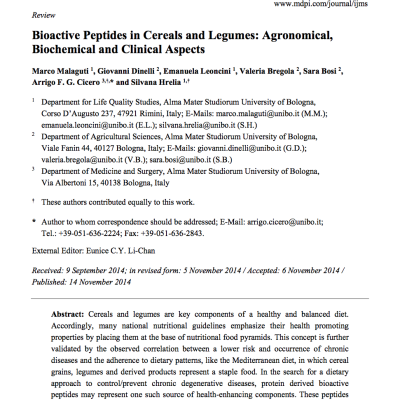
Bioactive peptides in cereals and legumes

Bioactive peptides in cereals and legumes – agronomical, biochemical and clinical aspects

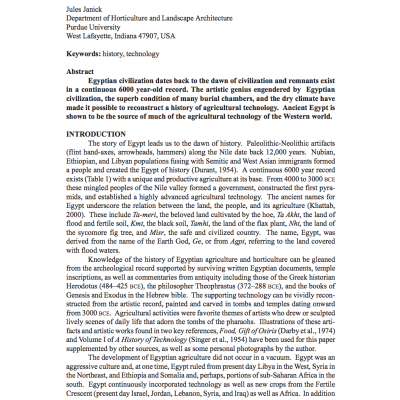
Ancient Egyptian agriculture and the origins of horticulture

Ancient Egyptian agriculture and the origins of horticulture

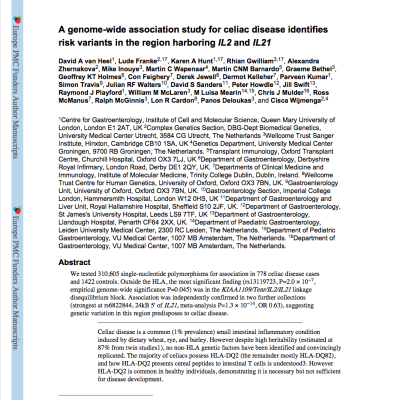
A genome-wide association study for celiac disease identifies risk variants in the region harboring IL2 and IL21

A genome-wide association study for celiac disease identifies risk variants in the region harboring IL2 and IL21

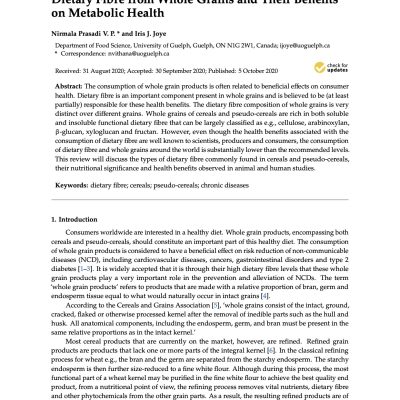
whole grain health

Dietary Fibre from Whole Grains and Their Benefits on Metabolic Health

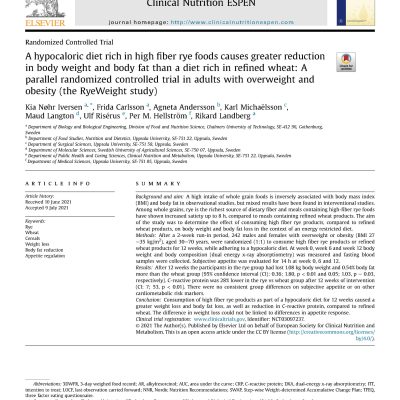
RCT Rye Weight Loss & Inflammation

A hypocaloric diet rich in high fiber rye foods causes greater reduction in body weight and body fat than a diet rich in refined wheat: A parallel randomized controlled trial in adults with overweight and obesity (the RyeWeight study)

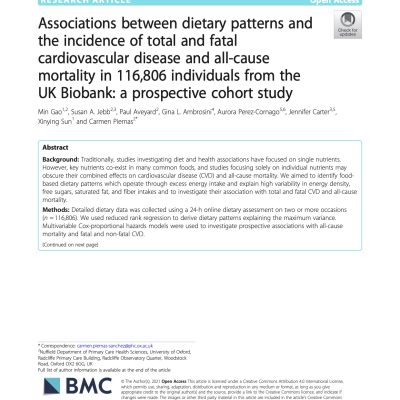
Diet patterns and health span

Associations between dietary patterns and the incidence of total and fatal cardiovascular disease and all-cause mortality in 116,806 individuals from the UK Biobank: a prospective cohort study

Diet and CVD

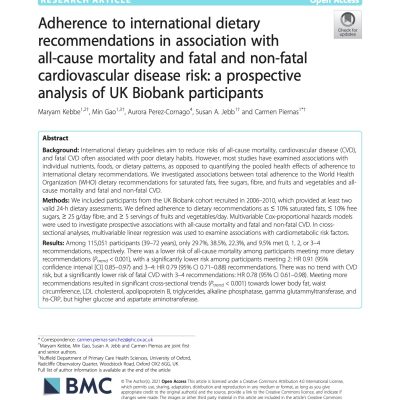
Adherence to international dietary recommendations in association with all-cause mortality and fatal and non-fatal cardiovascular disease risk: a prospective analysis of UK Biobank participants

Probiotics and Depression

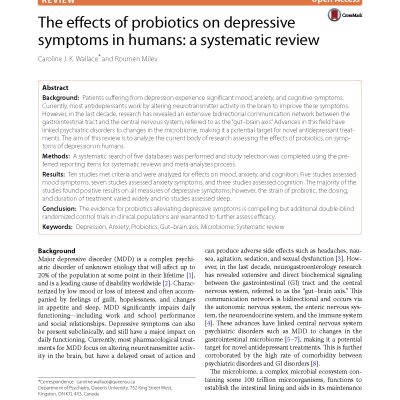
The effects of probiotics on depressive symptoms in humans: a systematic review

Article_Sourdough Microbiome

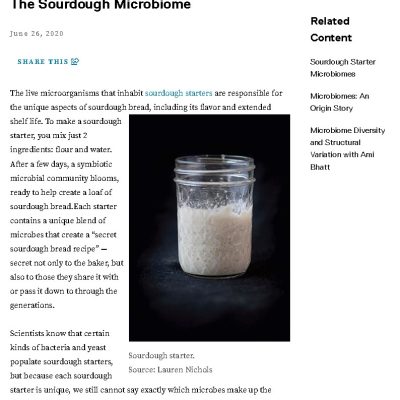
The Sourdough Microbiome

Immune health from in utero

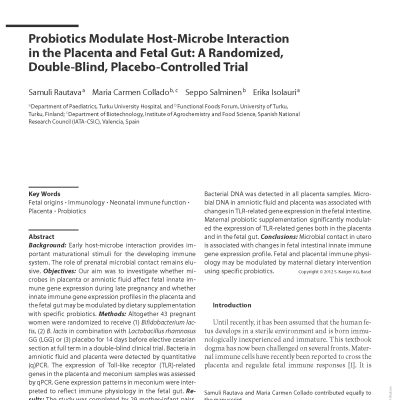
Probiotics modulate host-microbe interaction in the placenta and fetal gut: a randomized, double-blind, placebo-controlled trial

Plant Based Diet

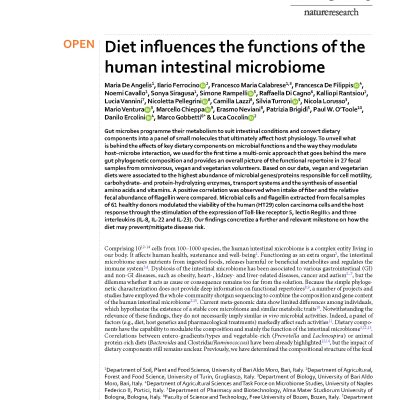
Diet influences the functions of the human intestinal microbiome

Fibre_Gut Microbiome

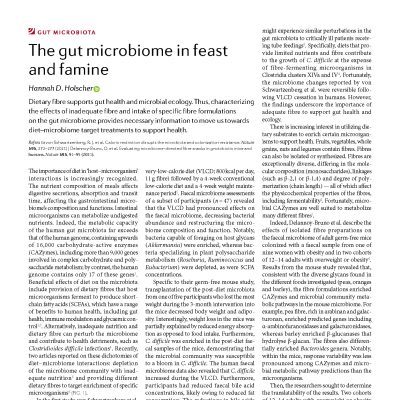
The gut microbiome in feast and famine

Gut Microbiome_2020

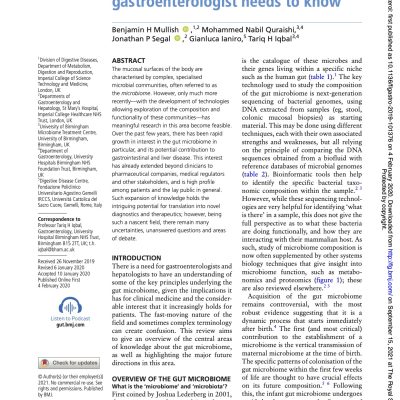
The gut microbiome: what every gastroenterologist needs to know

Gluten_IBS_Fermentation

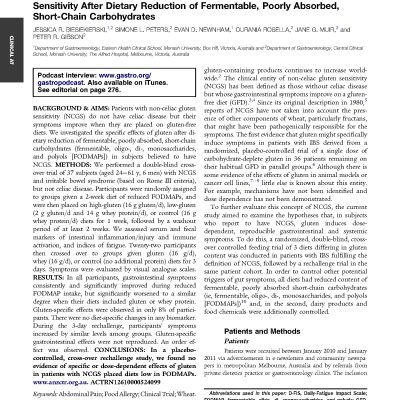
No effects of gluten in patients with self-reported non-celiac gluten sensitivity after dietary reduction of fermentable, poorly absorbed, short-chain carbohydrates

Molasses

Sugarcane Molasses – A Potential Dietary Supplement in the Management of Iron Deficiency Anemia

Chilli Pepper_Weight Loss

Could capsaicinoids help to support weight management? A systematic review and meta-analysis of energy intake data

  • Previous
  • Page 1
  • Interim pages omitted …
  • Page 4
  • Page 5
  • Page 6
  • Page 7
  • Page 8
  • Interim pages omitted …
  • Page 26
  • Next
  • Facebook
  • Instagram
  • Pinterest
  • X

Terms and Conditions
Privacy Policy

Call +44 (0)7813308301
Email [email protected]

The Sourdough School is Registered in England & Wales: 08412236

BANT member
Lifecode Gx

Copyright © 2026 · The Sourdough School · All Rights Reserved · Website by Callia Web